19 Mei 2026
Africa's sugar industry is reinventing itself: The window of opportunity is now
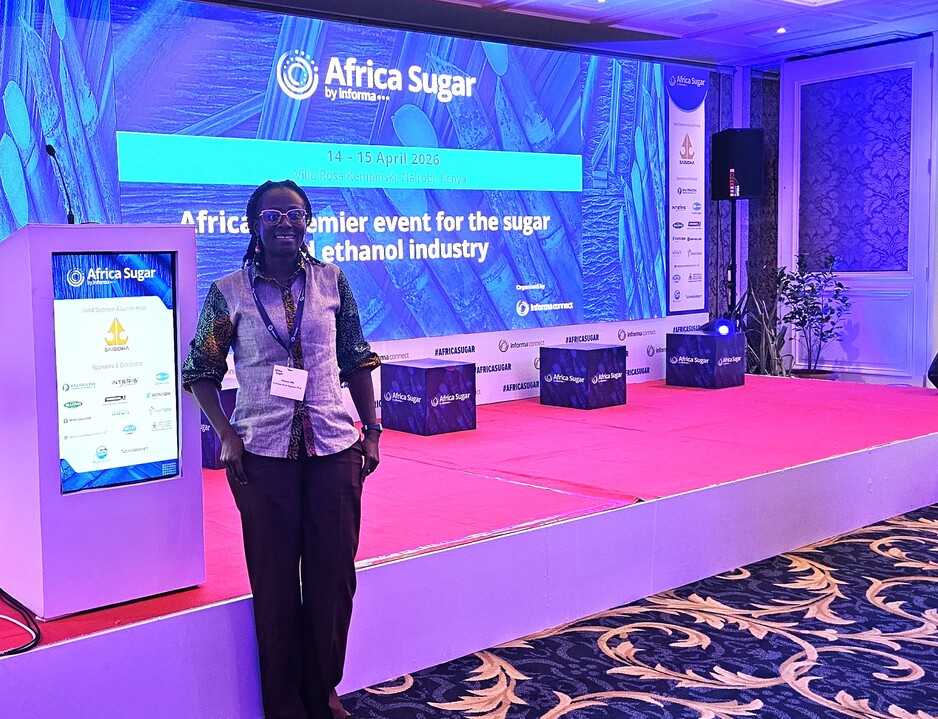
A blog by Patricia Offei, Principal Project Manager; Proforest Africa.
In April 2026, I walked into the Villa Rosa Kempinski in Nairobi, Kenya for the Annual Africa Sugar Conference and left two days later with a very different picture of what this industry is becoming. The conversations happening in that room weren't about sugar in the way most people think about it _ price per ton, import quotas, cane yields. They were about survival, reinvention and a continent deciding whether it wants to lead or keep reacting.
The mood was largely optimistic. The spoken and unspoken message throughout was this: producing sugar alone is no longer enough.
The question has changed
The most significant shift at Africa Sugar Conference 2026 wasn't a single session or speaker. It was a change in the question being asked. For years, the industry has been focused on how to produce more sugar. The 2026 conference signaled a decisive shift: how do you extract more value from the entire sugarcane ecosystem? Ethanol and biofuels; renewable energy; carbon markets; circular economy models and value-added byproducts from what used to be waste.
Brazil's model featured prominently, showing how sugar mills can stabilise revenue, strengthen energy security, and cut emissions at the same time by operating as diversified bio-refineries instead of simple commodity producers. The strongest business cases at this year's conference were not about growing more cane, but about evolving into businesses that create value beyond sugar.
Sustainability is no longer a side conversation
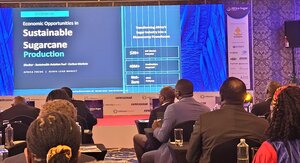
One of the most compelling sessions was led by Nestor Msowoya, Export Manager at Illovo Sugar Malawi, who presented Environmental Social Governance (ESG) as the sugar industry's new currency. His message was clear: sustainability has shifted from a compliance issue to a business imperative. What made the argument especially convincing was its commercial viability. ESG was once seen mainly as a donor expectation or buyer requirement, but the 2026 discussions recast it as a driver of competitiveness, access to finance, export readiness, and long-term profitability. Without credible ESG systems, access to markets, capital, and partnerships becomes increasingly difficult.
Topics like water efficiency, climate resilience, AI-enabled efficiency, traceability, renewable energy and governance were treated as core business issues. Industry leaders are becoming genuinely receptive to practical ESG implementation, not just the language of it.
Technology is not optional
The technology conversation was equally unambiguous. Precision agriculture, factory optimisation, water management, traceability systems and carbon accounting are no longer aspirational additions to an operation; they are the baseline for staying competitive. As one sentiment running through the conference captured it plainly: technology is no longer optional if Africa's sugar sector is going to remain competitive.
Waste-to-energy solutions i.e. using bagasse and molasses for renewable electricity and ethanol gained serious traction because of its benefits. They convert existing waste streams into new income while lowering operating costs. Carbon markets, meanwhile, are increasingly viewed as a practical financial opportunity rather than a compliance exercise, with growing interest in monetising regenerative agriculture and landscape carbon assets.
A notable gap: But an opportunity
A striking takeaway from my participation at the Africa Sugar Conference was that engagement has been concentrated largely among producers and suppliers from East and Southern Africa, while West and Central Africa remain significantly underrepresented in these conversations. Given that the AfCFTA (African Continental Free Trade Area) offers a real framework for harmonised regional trade, this underrepresentation is both a gap and an opportunity, especially as the industry navigates multiple overlapping national platforms with conflicting objectives.
What does this moment mean
The 2026 Africa Sugar Conference signaled something important: the industry is in a genuine window of receptivity. Leaders are not just talking about change. They are building a business case for it. The conversations around operationalising ESG, unlocking bioenergy revenue, pursuing carbon markets, and deepening regional integration are no longer theoretical. They are being asked with commercial intent.
The traditional sugar-only model will not sustain business growth. The mills that will thrive are those positioning themselves as integrated bio-economy businesses that are extracting value at every point of the sugarcane chain, meeting the sustainability standards that unlock global markets and financing, and building the regional coalitions that give Africa's producers real leverage.