15 Juli 2026
Regulation and Beyond: Forest Governance Lessons from LCAW ‘26
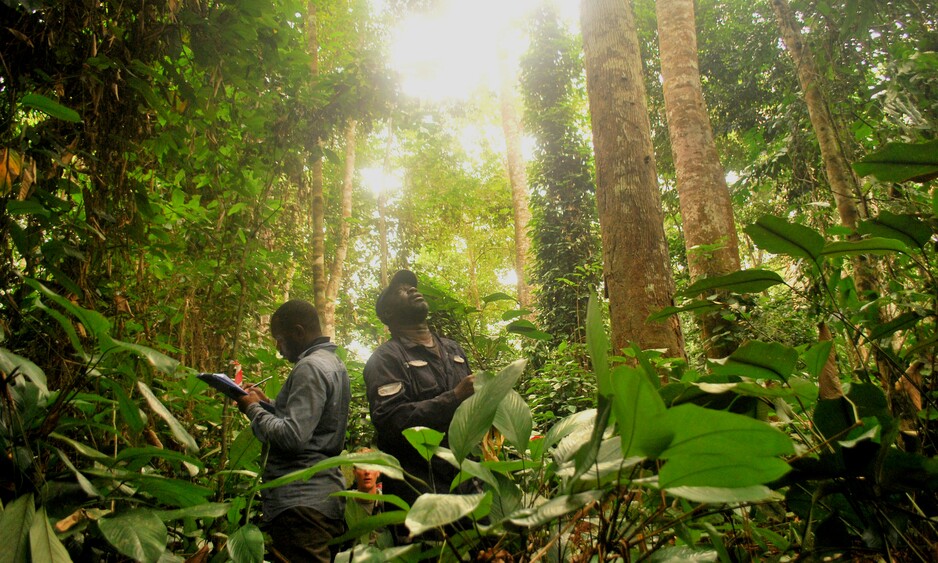
Under the sweltering heat, one key fact was clear to everyone attending London’s Climate Week: climate action is no longer just about cutting emissions. Increasingly, it is focused on protecting nature and building resilience, recognising the vital role ecosystems play in storing carbon and helping communities adapt to climate change.
Forests sit at the heart of both this agenda, as they are central to both mitigation and adaptation. They absorb carbon, support biodiversity, sustain livelihoods, and help protect communities from climate impacts. As a result, they have become a critical focus of both climate and nature strategies.
The potential and limits of regulating commodities
The UK Forest Risk Commodities regulation, announced at London Climate Action Week, is the latest example of governments using regulation and due diligence requirements to tackle deforestation linked to global supply chains. It reflects a growing willingness to hold companies accountable for ensuring that products entering consumer markets are not contributing to forest loss.
However, regulation alone will not deliver lasting change. The EUDR is a good example, while it’s a milestone legislation expected to deliver meaningful benefits, its estimated impact on global forest loss is relatively modest, around 1–3% of annual non-fire tropical primary forest loss, or 0.6–1.5% of total forest loss (based on 2024 data).
Effective Forest Protection Depends on Local Governance
Long-term success in bending the deforestation curve depends on strengthening the systems that govern how land is managed, monitored, and protected. Secure land tenure, effective law enforcement, community rights, transparent licensing, and robust accountability mechanisms are all essential to reducing deforestation. Yet these foundations are often complex, politically sensitive, and challenging to build and adequately resource through public and private means.
Indonesia's Approach: Carbon Markets, Resilience and Inclusive Development
Climate and carbon markets can become a meaningful source of stable investment. As an example from the producer side, Indonesia is positioning itself around high-integrity carbon markets, with transparency, credible emissions accounting and alignment with international expectations seen as critical to attracting finance. PwC estimates the country could generate up to 1.28 billion carbon credits (tCO₂e) annually by 2030, reflecting the scale of its forestry, peatland and nature-based mitigation potential. Depending on future carbon prices, this could translate into billions of dollars in climate finance. At London Climate Week events featuring the Indonesian government, social safeguards, FPIC, community rights and benefit-sharing were repeatedly highlighted as investment enablers, not just compliance requirements.
Climate action is increasingly framed around national resilience, adaptation and supply chain resilience, with growing opportunities for subnational partnerships. Policymakers also emphasised scaling sustainable finance and leveraging carbon markets to support Indonesia's climate and development goals.
Bridging Policy Commitments and Action on the Ground
Turning regulatory ambition into practical outcomes requires investment in the systems that enable implementation. This is the role played by initiatives such as FGMC and Proforest’s BRIDGE programme. By supporting governments, businesses, civil society, and communities, they help strengthen land-use governance, improve accountability, and bridge the gap between international commitments and action on the ground.
Ultimately, meaningful forest protection requires a balance of strong regulation and strong local governance. Only by combining both can we achieve lasting outcomes for climate, nature, and people.