1 julho 2018 2018 - 2027
Ongoing
Asunafo-Asutifi Landscape Programme
Context
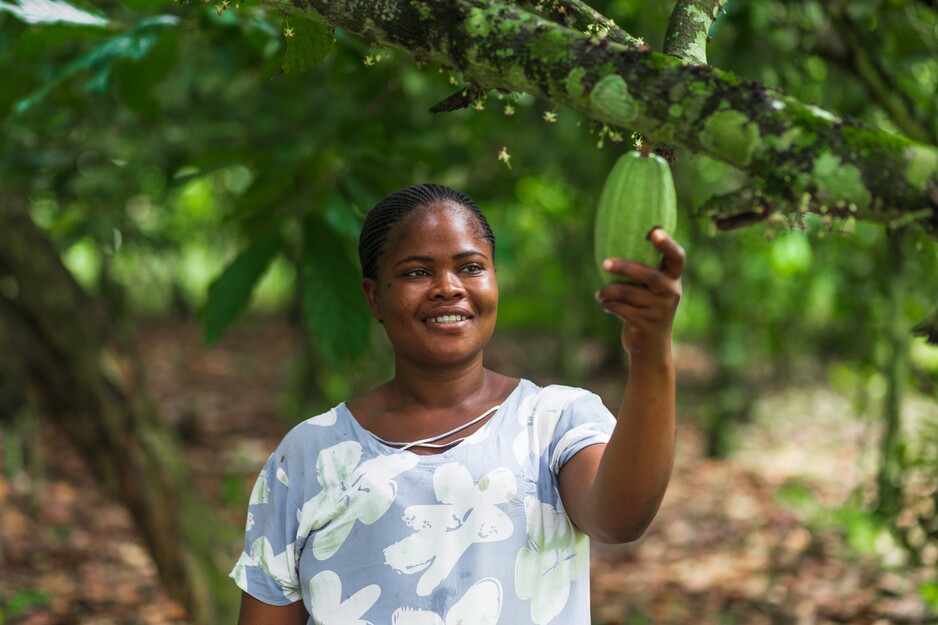
The Asunafo-Asutifi Landscape Programme began in 2018 under Proforest’s Production Landscape Programme (PLP), with support from UK Aid through the Forest Governance, Markets and Climate (FGMC) Programme. The landscape programme seeks to establish a collective-action platform towards the common goal of achieving a deforestation-free and climate resilient cocoa production landscape with improved livelihood conditions of farmers in the Asunafo-Asutifi Hotspot Intervention Area (HIA). Using the landscape approach and with cocoa as the main commodity, the landscape programme is designed to tackle environmental and social challenges in a holistic and coordinated manner.
The Asunafo-Asutifi landscape is one of six priority HIA identified by the Forestry Commission in the implementation of the Ghana Cocoa Forest REDD+ Programme (GCFRP); one of the first Emissions Reduction (ER) Programmes that is centred on developing a sustainable commodity supply chain that hinges upon the noncarbon benefits that will be channelled to farmers because of significant private sector investments in the landscape. GCFRP represents an innovative and highly ambitious approach that seeks to significantly reduce emissions by reducing the high rates of deforestation and degradation in the 5.9 million ha agro-forest mosaic landscape within Ghana’s high forest zone.
The Asunafo-Asutifi is primarily an agrarian landscape with cocoa cultivation being the main livelihood activity. The landscape is one of the major cocoa production areas in Ghana and accounts for about 10% of the national cocoa output making it a national priority for sustainable cocoa production. Forest is a significant feature of the landscape, with gazeted forest accounting for about 41% of the landscape. However, uncontrolled logging has resulted in most of the forest cover of the landscape being grossly degraded, a situation that has prompted collective action among stakeholders to prevent forest loss and enhance sustainable livelihoods of local people.
Objectives of the landscape programme
The programme aims to create a deforestation-free, climate-resilient production landscape with improved livelihood conditions of farmers by establishing inclusive functional governance structures and implementing a shared landscape management and Investment Plan. The programme seeks to promote climate-smart cocoa production, and forest restoration, while improving smallholder livelihoods, land tenure security, and supply chain transparency through multi-stakeholder collaboration.
It also aims to strengthen a deforestation-free, climate-resilient cocoa landscape through:
-
Functional inclusive landscape governance (HIA boards, CREMAs)
-
Forest conservation and restoration (in on- and off-reserve areas)
-
Sustainable cocoa production and smallholder support
-
Social inclusion (women/youth empowerment, finance, training)
-
Traceability and compliance with EUDR and GCFRP frameworks
Activities and Proforest’s role
Proforest acts as a facilitator for multi-stakeholder participation in the landscape programme. Key activities include:
-
Conducting a baseline landscape assessment (ecological, socio-economic, land use)
-
Facilitating the design of a Landscape Management and Investment Plan (LMIP)
-
Supporting the establishment of landscape governance structures at all levels and providing capacity building to stakeholders
-
Partnering with COCOBOD, Forestry Commission (REDD+ Secretariat), World Cocoa Foundation, traditional authorities and farmers.
-
Leading on the implementation of management intervention
-
Rehabilitation of degraded on-reserve areas using the modified taungya system (MTS)
-
Supporting additional livelihood activity through providing low-interest credit facility
-
Strengthening landscape governance structures through capacity building
-
Resourcing the CREMAs to make them functional and independent
-
Increasing tree stock in cocoa farms through landscape restoration.
Results, outcomes to date
-
Completion of a comprehensive baseline assessment (social, ecological, HCSA/HCV, GIS mapping)
-
Development of a multi-stakeholder governance modelled after the CREMA system
-
Landscape management plan (currently being implemented)
-
A functional revolving fund to support additional livelihood activities
-
266 ha of degraded on-reserve areas rehabilitated
-
Supporting two communities to rehabilitate additional 250ha of degraded on-reserve area using MTS.
-
Landscape restoration and conservation through collective action of CREMA.
-
Tree stock enhancement on cocoa farms in the Dadiesoaba enclave
-
Construction of a rural service centre, equipped with agro-input shop and convening space for CREMA (for training workshop, meeting etc)
Donors/partners, current and previous funding
The Asunafo-Asutifi Landscape Programme has received support from the Walmart Foundation (~USD2 million), UK Aid (FGMC), and IKI. Programme partners include the Government of Ghana (Forestry Commission, COCOBOD), private sector partners Cargill, Ecom, Lindt, Mars, Mondelez, Olam, Sucden, Touton, the World Cocoa Foundation. Other organisations working in the landscape include Tropenbos Ghana, local government, UNDP, SECO, local CREMAs and community organisations.
External links
Video from Asunafo Asutifi Landscape Programme on youtube
Categorias: Production Landscape Programmes Iniciativas em escala de paisagem África Cacau