1 julio 2025
Community-led oil palm project in Adum Banso delivers additional livelihoods and forest protection
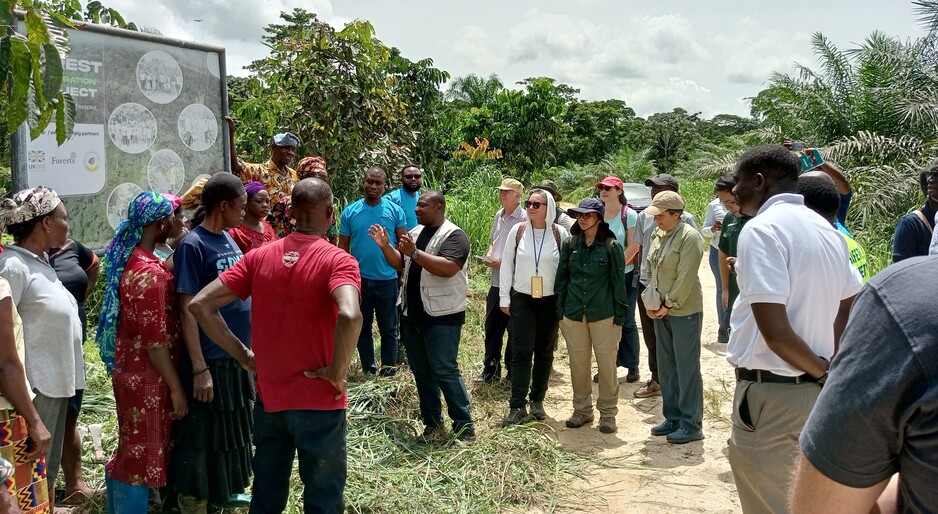
Six years after its launch, the Adum Smallholder Oil Palm Project led by Benso Oil Palm Plantation (BOPP) is being celebrated for its community-driven approach to sustainable palm oil production and forest conservation. With support from Proforest and funding from the UK government’s Partnership for Forests (P4F), the 633-hectare project has demonstrated a powerful model for integrating improved agricultural practices, biodiversity protection, and alternative livelihoods in the Adum Banso landscape.
During a recent visit as part of Proforest People Exchange Week, teams engaged directly with participating communities to learn from the project’s implementation and gather insights for replication across other landscapes. The visit confirmed the project’s impact on both livelihoods and forest restoration, highlighting a clear link between community welfare and environmental sustainability.
Community-Driven Success
One of the project’s key achievements lies in its deep community engagement. The strong community ownership and participation throughout the project were clear during the Proforest visit. The initiative involved local people at every stage—from land identification and planting to benefit sharing and monitoring—ensuring the project remained relevant and fair.
Livelihoods that Empower and Protect
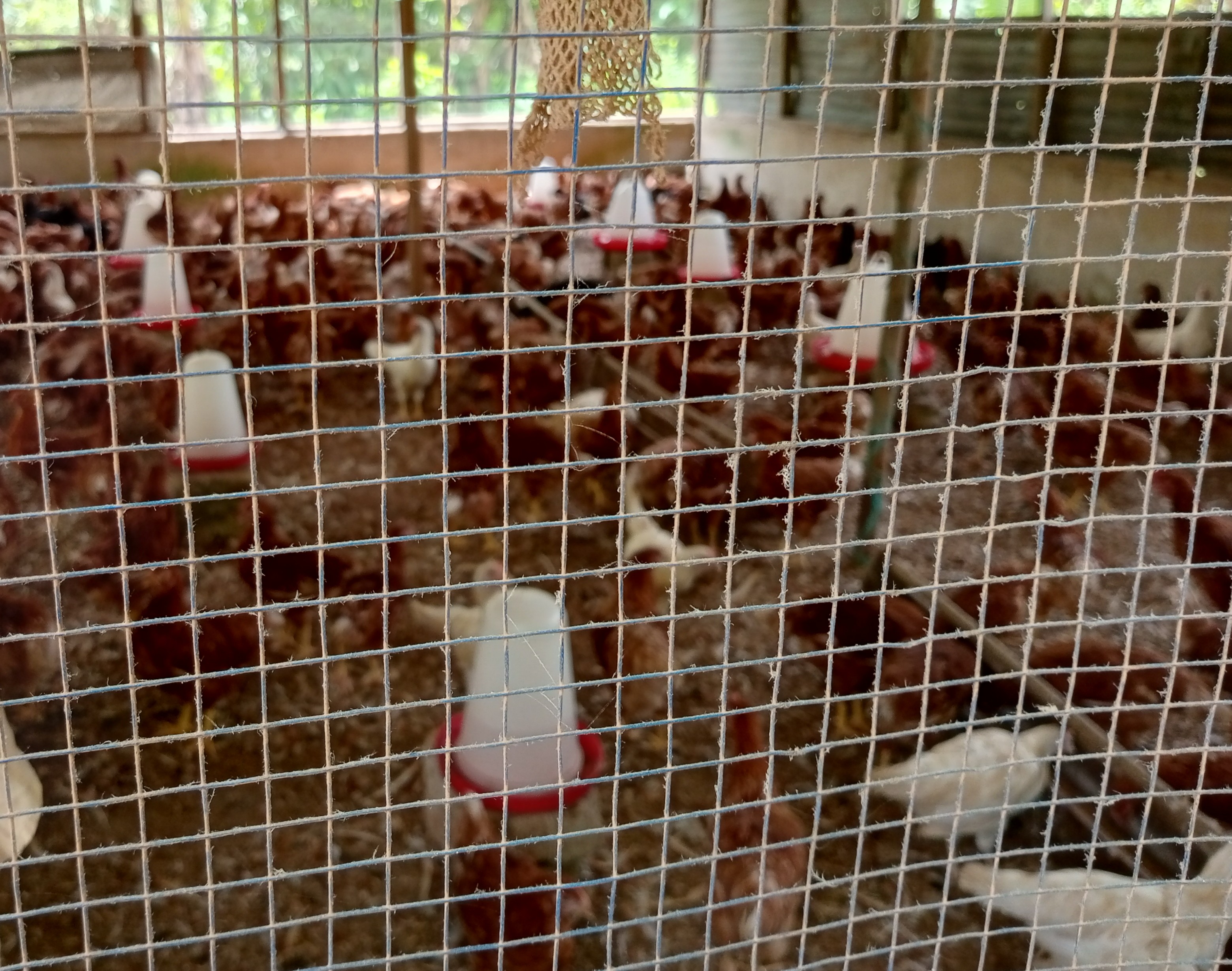
To complement long-term oil palm cultivation, the project introduced alternative livelihood options for community members during the crop's maturing period. These included poultry farming, baking, piggery, aquaculture and other income-generating activities tailored to local interests.
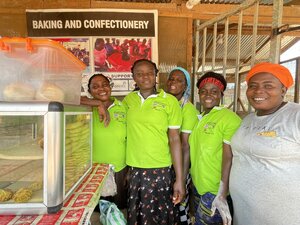
Gladys Nketsiah, formerly a seamstress, opted to transition into baking.
“The project built this facility for me and provided two ovens, 10 bags of flour, margarine, and other essentials,” she said. “I’ve found the bakery to be more profitable than other businesses here. I’ve trained four apprentices so far, and two have already graduated.”
Joshua Badu Dei, a beneficiary of the poultry farming scheme, recalled, “BOPP approached us to use our land for oil palm cultivation and committed to supporting our livelihoods. I chose poultry farming and received 200-layers in 2019. That number increased each year, and now I produce 35 crates of eggs per week averagely. This business helps me support my family.”
Lessons for Future Landscape Work
The project also demonstrated best practices in transparency and cultural sensitivity. Clear accountability structures and equitable benefit-sharing mechanisms fostered trust, while respect for traditional norms ensured community acceptance and support.
A key takeaway from the visit was the visible correlation between livelihood improvement and forest preservation. The Proforest team noted, when communities have secure, dignified sources of income, they are more inclined to protect the surrounding environment.
Proforest’ Role in Scaling Impact
As an organisation committed to supporting responsible production and landscape management, Proforest helps companies and governments identify biodiversity and nature values, understand environmental and social risks, and develop inclusive, tailored strategies that safeguard both people and nature. The Adum Smallholder Project stands as a powerful example of how locally led initiatives can simultaneously support sustainable agriculture, protect ecosystems, and improve rural livelihoods.