Programas
Proforest es una organización impulsada por una misión que agrupa tanto a empresas como a organizaciones sin ánimo de lucro. Todos los miembros del grupo se comprometen voluntariamente a reinvertir cualquier beneficio obtenido para continuar la labor del grupo con el fin de impulsar nuestra misión común. Gestionamos programas financiados mediante subvenciones a través de nuestras iniciativas benéficas «Proforest Initiatives» en el Reino Unido, África y Brasil, y ofrecemos servicios de consultoría a través de nuestras empresas.
Nuestros programas apoyan:
- Iniciativas paisajísticas y sectoriales que generan resultados medioambientales y sociales positivos a gran escala.
- Procesos regionales y locales en los que participan múltiples partes interesadas y que permiten una mejor gestión colectiva de la tierra y los recursos, así como el respeto de los derechos humanos.
- La colaboración entre el sector público o los organismos públicos y las empresas para alcanzar objetivos comunes de sostenibilidad.
- El desarrollo de capacidades entre empresas, organismos gubernamentales y la sociedad civil para producir y adquirir productos agrícolas y forestales de forma sostenible.

Financiación para paisajes resilientes
Una iniciativa conjunta liderada por Proforest, Conservation International (CI) y The Nature Conservancy (TNC), con el apoyo filantrópico de HSBC. El programa constituye un esfuerzo global destinado a acelerar los flujos financieros para respaldar paisajes resilientes y beneficiosos para la naturaleza en los que se producen materias primas.

BRIDGE
Fomentar el reconocimiento y la integración para la gobernanza y la equidad en materia de deforestación: una iniciativa global destinada a vincular los compromisos de las cadenas de suministro con las medidas nacionales y locales contra la deforestación. Se basa en la dilatada labor de Proforest con gobiernos y empresas para abordar la desconexión existente entre los requisitos del lado de la demanda y las realidades del lado de la producción.
Foco sobre los derechos humanos
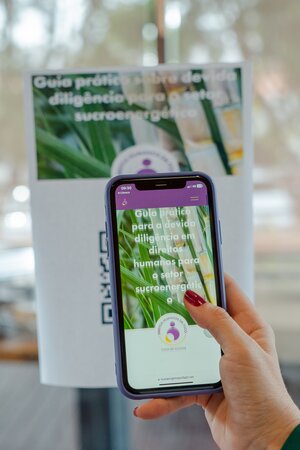
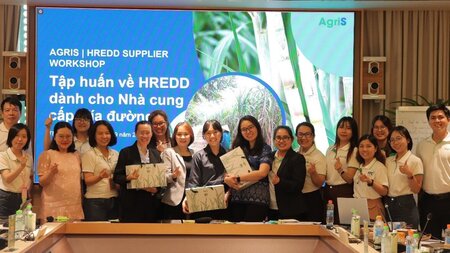
Human Rights Spotlight II combina la necesidad de las empresas de disponer de datos fiables y aplicables en materia de investigación sobre derechos humanos (HRDD) para impulsar un cambio sistémico transformador y arraigado en el contexto local, basándose en los resultados de la primera fase del programa (2023-2025).
- Duración: 2026 - 2028
- Objetivos: Mejorar los resultados en materia de derechos humanos en las cadenas de suministro de caña de azúcar en Brasil mediante el refuerzo de la gestión de los riesgos más destacados —incluidos aquellos agravados por el cambio climático—, el aumento de la resiliencia de los proveedores y las comunidades ante las crisis climáticas y otras perturbaciones, y el fomento de la acción colaborativa entre las ingenieras y otras partes interesadas para abordar los retos sistémicos.
- Resultados: Las fábricas refuerzan su seguimiento y su colaboración regional y desarrollan conjuntamente una metodología de evaluación de riesgos para los derechos humanos (HRDD) adaptada al contexto que integre los factores de riesgo climático, fomentando la resiliencia en los sistemas de producción de caña de azúcar para prevenir, mitigar y subsanar los riesgos en materia de derechos humanos.
- Financiación: En 2026, el programa cuenta con el apoyo de Bonsucro, y se movilizará cofinanciación adicional a lo largo del período de ejecución.
- Socios: Imaflora
Mato Grosso Occidental
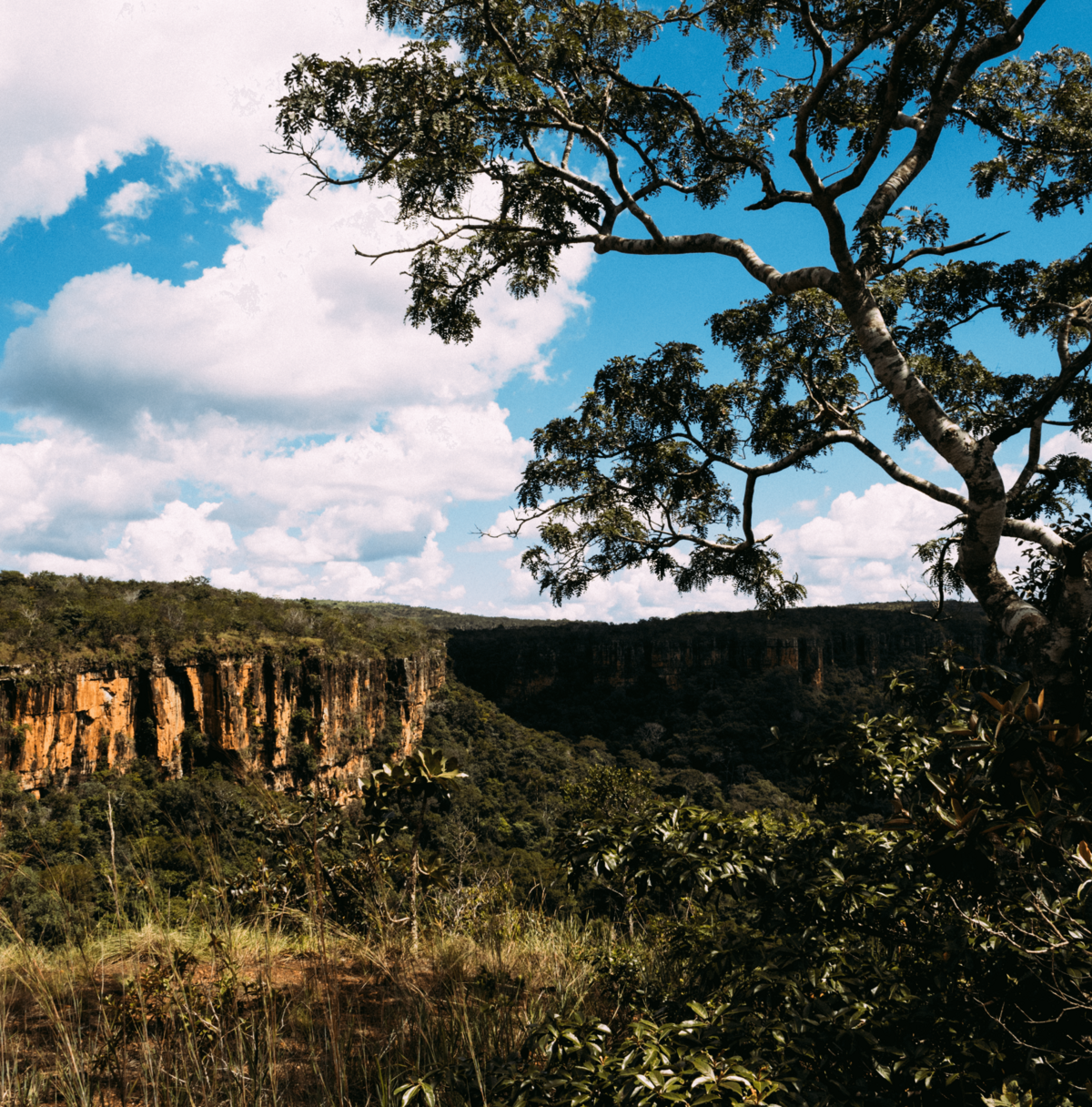
Una iniciativa a escala paisajística en seis municipios del Mato Grosso Occidental que combina una gobernanza sólida, la conservación forestal, la restauración de ecosistemas y la maximización de la producción responsable de productos agrícolas básicos en uno de los territorios más estratégicos de América Latina.
Duración: 2025 - 2030
Objetivos: Contribuir al desarrollo sostenible del paisaje en el Mato Grosso occidental, mediante la promoción de una gobernanza local reforzada, una producción resiliente, un enfoque positivo hacia los bosques y la inclusión socioeconómica.
Resultados: Promover la producción de soja y carne de vacuno libre de deforestación y conversión de tierras, apoyando la transición del Mato Grosso occidental hacia un paisaje resiliente y respetuoso con los bosques, que aporte beneficios tangibles para las personas, la naturaleza y el clima, en consonancia con la Estrategia PCI del estado. La iniciativa aprovecha la financiación climática y la agricultura regenerativa para respaldar las buenas prácticas agrícolas en los biomas del Cerrado y la Amazonía.
Financiación: Desde 2023, financiada por el CGF (Nestlé, Sainsbury’s y Jerónimo Martins) y los operadores del SCF. En 2026 se incorporaron nuevos financiadores, como McDonald’s y Amaggi, con el apoyo de HSBC.
Socios: PCI, IPAM y Produzindo Certo
Cerrado Protocol
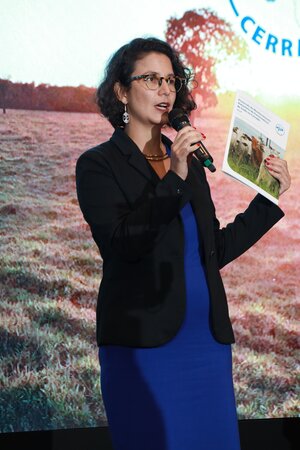
Acelerar los avances del Protocolo del Cerrado y ampliar el seguimiento a nivel nacional.
Duración: 2026 - 2030
Objetivos: Implementar y poner en práctica la gobernanza del Protocolo del Cerrado y un Programa Nacional de Ganadería Responsable, garantizando su adopción más amplia y eficaz como marco voluntario de seguimiento socioambiental para el abastecimiento de ganado en el bioma del Cerrado y otras regiones no cubiertas por acuerdos con la Fiscalía Federal.
Resultados: Estructura de gobernanza plenamente operativa para el Protocolo del Cerrado y el Programa Nacional; mayor adopción del Protocolo del Cerrado; promoción de mecanismos de reintegración e incentivos para los productores, desarrollo de capacidades en mataderos y curtidurías, aumento del apoyo al MPF, y mayor transparencia en cuanto a los compromisos de las empresas y los resultados de la implementación.
Financiación: Se requiere financiación para subvencionar la coordinación, el desarrollo de capacidades, la participación de las partes interesadas y la mejora de los sistemas de transparencia.
Socios: Imaflora, Amigos da Terra
Climate - Insetting
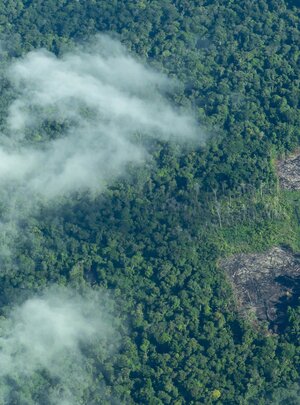
Insetting, referring to decarbonisation in supply chains, can help unlock private climate finance for high-integrity action towards positive outcomes in the Forest Land and Agriculture (FLAG) sector in key producing countries.
Length: 2026 - 2030
Goals: The project aims to leverage insetting as a financing mechanism for positive impacts on the ground in the FLAG sector, including climate mitigation, people and nature goals, as well as resilience at the landscape level.
Outcomes:
- Capacity building and guidance on high integrity insetting: focusing on tools and materials to build capacity in key producing regions; as well as defining a High Integrity Insetting (HII) Taxonomy to evaluate projects, based on the HII principles
- Influencing key accounting and target-setting standards: advocating for the inclusion of producer realities (regionalisation); near-value chain mitigation in landscapes; and people and nature as core benefits with key standards including SBTi and GHGP.
Financing: After programme design, funding will be required for development and implementation.
Partners: iCS
Public Policy for transparent supply chains

Consensus building and technical support to national policies on transparent supply chains of soft commodities, integrating traceability and compliance to meet market requirements.
Length: 2026 - 2030
Goals: Strengthen traceability, monitoring, and transparency in the Brazilian beef and soy supply chains while delivering positive outcomes for people, nature, and climate.
Outcomes: Deliver tangible improvements in supply chain integrity and sustainability, including adoption of due diligence, traceability and monitoring systems, reduced socio‑environmental risks, and greater compliance with national and international regulations and market requirements.
Financing: Financing is an enabler for Proforest actions and collaboration with Brazilian Coalition. Funding will support private sector and government engagement, development of studies, guidance, tools and dry runs to support implementing and improving the AB+S platform and meeting international market requirements (eg. EUDR, UK, China).
Partners: Brazilian Coalition on Climate, Forest and Agriculture
Building a Deforestation-Free, Climate-Resilient Cocoa Landscape in Asunafo-Asutifi
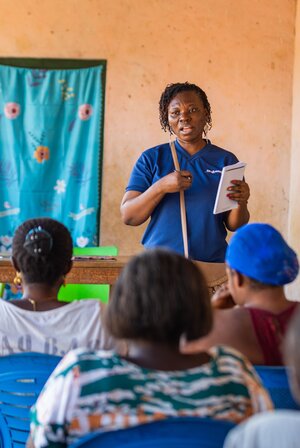
Period: 2023–2026
Donor: Walmart Foundation
Goal: The project aims to support a deforestation-free, climate-resilient cocoa production landscape in the Asunafo-Asutifi Hotspot Intervention Area, while improving farmer livelihoods and strengthening community-led natural resource governance.
Objectives:
- Strengthen inclusive landscape governance through Community Resource Management Areas and local management structures.
- Restore degraded forest areas and enhance tree cover across cocoa-forest mosaics.
- Improve access to farmer support services, technical training, farm inputs and farm management assistance through Rural Service Centres.
- Expand access to affordable finance through revolving funds that support farmers, women and community groups.
- Promote sustainable cocoa production, forest conservation and livelihood resilience across the landscape.
Achievements:
Phase 1: Asutifi South, 2023–2024
- Established the Dadiesoaba Community Resource Management Area and a fully equipped Rural Service Centre to provide technical and farm management support to more than 15,000 farmers.
- Rehabilitated 266 hectares of degraded forest reserve through the Modified Taungya System.
- Planted more than 500,000 multipurpose tree seedlings on-reserve and off-reserve.
- Set up a revolving fund to support financial inclusion and helped grow membership of the Asunafo North Co-operative Cocoa Farmers Mutual Support group from 17,500 to 20,000.
Phase 2: Asunafo North, 2025–2026
- Scaling impact across the Asunafo-Asutifi landscape by building on the systems, partnerships and trust established in Phase 1.
- Establishing a new Community Resource Management Area covering 21,000 hectares in the Asumura enclave.
- Constructing a second Rural Service Centre at Asumura to expand access to farmer services.
- Introducing a new revolving fund to increase access to low-interest loans.
- Rehabilitating 250 hectares of degraded forest and enhancing tree stock across more than 8,000 hectares of cocoa-forest mosaics.
Partnership for Restoration of the Degraded Asunafo Landscape
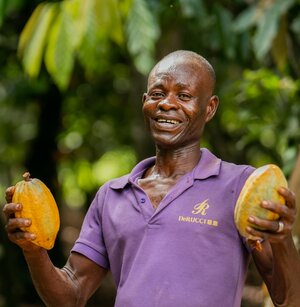
Period: 2025–2027
Donors: European Forest Institute, with support from the European Union Sustainable Forest and Cocoa Programme.
Project Goal: To restore degraded forest areas and strengthen climate-resilient cocoa landscapes in the Asunafo-Asutifi area by promoting dynamic agroforestry, inclusive landscape governance and improved livelihood opportunities for farming communities.
Objectives:
- Expand training in dynamic agroforestry to improve farm productivity, increase tree cover and support climate-smart cocoa production.
- Restore grossly degraded forest reserves and enhance ecological functions across the landscape.
- Strengthen multi-stakeholder landscape governance structures with a focus on environmental, social and governance priorities.
- Improve access to finance and promote alternative livelihoods that reduce pressure on forests and support household resilience.
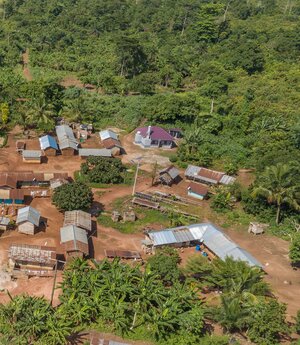
Support for Forest Protection and Rehabilitation in the Asunafo-Asutifi Landscape
Period: 2025–2028
Donor: Mondelēz International, Barry Callebaut and Sainsbury’s
Goal: To strengthen forest protection and sustainable cocoa production in the Asunafo-Asutifi landscape by restoring degraded areas, improving landscape governance and supporting farmers to meet global sustainability requirements.
Objectives:
- Restore degraded forest reserves and priority forest fringe areas within the landscape.
- Increase tree cover on cocoa farms to support climate resilience and biodiversity.
- Strengthen community participation in natural resource management and forest protection.
- Build farmer capacity to comply with the EU Deforestation Regulation and other global sustainability standards.
- Promote long-term environmental and social sustainability across cocoa-producing communities.
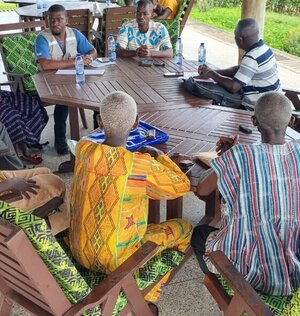
Participatory Land Use Planning, Liberia
Period: 2020–2025
Donors/ Partners: Norwegian Government through the World Bank. Partners include the Liberia Land Authority, Ministry of Agriculture, Forestry Development Authority, Environmental Protection Agency, IDH, Society for the Conservation of Nature of Liberia and Fauna & Flora International.
Goal: To support community-led land governance in Liberia by strengthening participatory land use planning, securing customary land rights and promoting sustainable management of forests, agriculture, mining and other land uses.
Objectives:
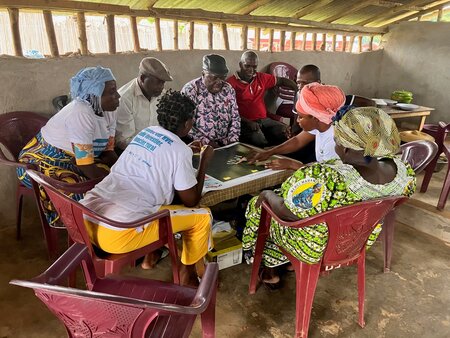
- Helps communities identify biodiversity threats, map future land-use zones, resolve boundary conflicts and align local priorities with national land policies.
- Promotes Free, Prior and Informed Consent and builds capacity among government, civil society, private sector actors and communities.
Results/Achievement:
- By July 2023, Proforest had supported completion of Participatory Land Use Plans in 40 areas, covering 19 districts in southeast Liberia and 21 clan areas in the northwest. The work enabled communities to progress towards land deeds under the Land Rights Act, mapped priority forest zones including Gola and Ziama-Wonegizi-Wologizi, and integrated traditional resource management and medicinal plant protection into local planning.
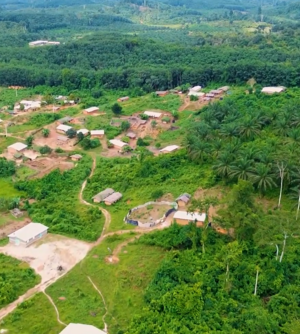
San Pedro Landscape Project, Côte d’Ivoire
Period: 2020 - 2023
Donors/ partners: German Government through IKI. Partners include Impactum, GIZ, government ministries, the Prefectures of San Pedro and Tabou, local sub-prefectures, traditional authorities, the San Pedro Region, community representatives, sector organisations and agro-industrial companies.
Goal: To support San Pedro to become a greener and more resilient production landscape where forests are protected and restored, biodiversity is conserved, agriculture is sustainable and climate-smart, and local communities benefit from improved livelihoods.
Objectives:
- Promotes sustainable cocoa, palm oil and rubber production; supports forest protection, restoration and reforestation; improves land tenure security; strengthens women’s and youth participation; and establishes inclusive governance structures for land-use planning, forest management and environmental safeguards.
Results/Achievement: The initiative has strengthened collaboration among government agencies, communities, companies and civil society organisations. It has also supported the development of a Management and Investment Plan for the San Pedro landscape, alongside governance and monitoring systems designed to improve accountability, safeguard communities and deliver long-term conservation and livelihood benefits.
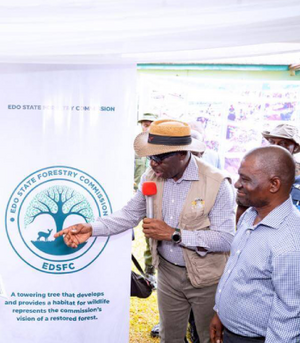
Edo State Oil Palm Forest Regeneration Facility, Nigeria
Period: June 2022 – February 2023
Donor/ Partners: Partnerships for Forests (P4F)
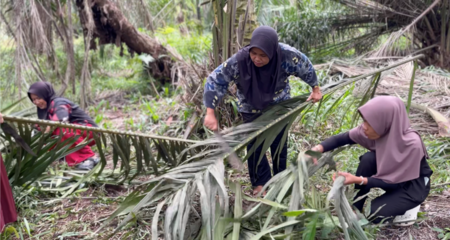
Goal: Support the development of a Produce–Protect–Rehabilitate (PPR) model to promote sustainable oil palm production and forest restoration in Edo State, Nigeria. Working with Market and Social Research (MSR), the Edo State Oil Palm Programme, state government institutions, oil palm companies, smallholder farmers, and local communities, Proforest helped design a forest regeneration facility aligned with Edo State’s commitment to conserve and restore one hectare of forest for every five hectares of oil palm development.
Proforest provided technical expertise in sustainable land use, forest governance, stakeholder engagement, partnership development, and institutional strengthening. The project also developed recommendations for policy reform, institutional capacity building, smallholder organisation, awareness creation, and sustainable financing to support long-term implementation of the PPR framework.
Key achievements:
- Feasibility and market assessment of Edo State’s oil palm sector, the development of a business case and pilot business plan for forest regeneration, partnership and Memorandum of Understanding (MoU) development, and support for establishing the Edo State Forestry Commission to strengthen sustainable forest management and responsible palm oil production.