24 abril 2026
The importance of greater diversification of financing for the resilience of Brazil's agriculture
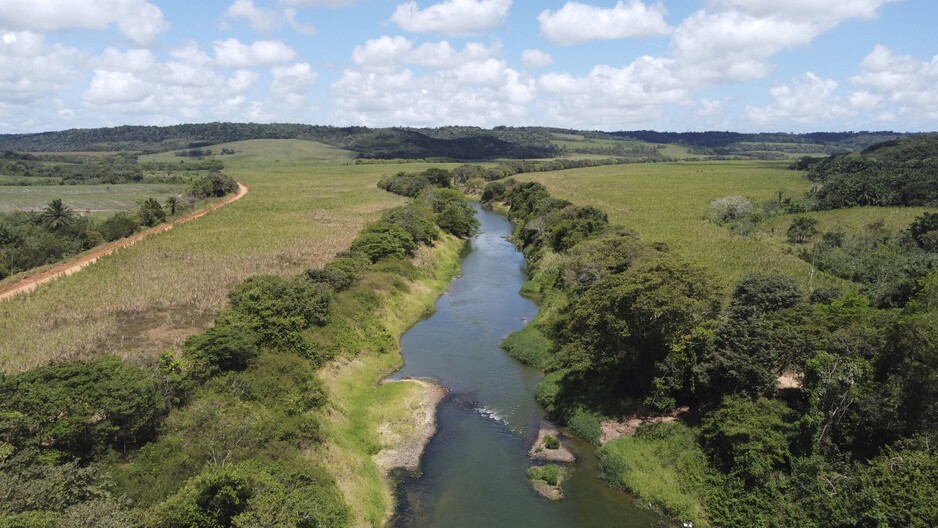
The transition towards more resilient agriculture is a recognised necessity, and efforts are being made to accelerate it. Countless projects across Brazil are dedicated to building the capacity of producers, restoring degraded areas, and promoting better production practices throughout the value chains of major commodities. For the most part, these initiatives rely on public policy, philanthropic funding, or the commitment of buying companies. Such support is fundamental, yet insufficient: for change to reach a scale commensurate with the size of Brazilian agribusiness and to produce results that endure over time, initiatives must be integrated into profitable financial cycles. Without this, good practices remain marginal, dependent on resources that are renewed with each project cycle and that may prove unable to bring about structural transformation in the sector.
Proforest has worked for over 25 years to promote resilient and responsible productive landscapes, operating alongside agricultural value chains and in regions of high socio-environmental and productive importance. It is in this context that we engage in initiatives seeking to connect the sustainability agenda to the capital markets, not as a substitute for environmental commitment, but as a condition for its longevity and scale.
Having been part of the Responsible Commodities Facility (RCF) since 2022, Proforest sits on its board with Isabella Freire, Executive Director of Proforest in Brazil, and Jane Lino, Deputy Director, alongside organisations such as TNC, WWF Brasil, Conservation International, IPAM, and UNEP. The RCF is a pioneering climate finance initiative focused on the production of deforestation- and conversion-free soy in the Cerrado, one of the most biodiverse and threatened biomes on the planet. Through green bonds (CRAs — Certificados de Recebíveis do Agronegócio), the RCF offers credit at below-market rates to rural producers who conserve native vegetation beyond what is required by the Forest Code, creating a concrete financial incentive for those who choose to protect more. Launched in 2022 with an US$11 million pilot capitalised by British retail networks, the RCF reached 2025/26 with US$60 million in its portfolio — mobilised with investors such as Rabobank, the AGRI3 Fund, and IDB Invest.
In March 2026, the Board of the Green Climate Fund (GCF), the principal multilateral financial mechanism for supporting developing countries under the Paris Agreement — approved a contribution of US$85 million to the RCF, with estimated co-financing of US$340 million. The programme, which forms part of the priority portfolio of the Ministry of Finance's 2025 Country Programme, is estimated to reduce 25.6 million tonnes of CO₂ equivalent and protect approximately 380,000 hectares of native Cerrado vegetation. With this contribution, the fund is expected to reach half a billion dollars by 2028, a trajectory that demonstrates the viability of the blended finance model as an engine of sustainability in agriculture.
For Proforest, the results and expansion of the RCF are proof that the business case for responsible and resilient agriculture exists, and that it delivers positive outcomes for people, nature, and the climate.