Programmes
Proforest is a mission-driven organisation that includes both companies and non-profit organisations. All members of the group voluntarily sign up to a commitment to reinvest any profit to continue the work of the group to advance our shared mission. We manage grant-funded programmes through our charitable Proforest Initiatives in the UK, Africa and Brazil, and we provide consultancy services through our companies.
Our programmes support:
- Landscape and sectoral initiatives that deliver positive environmental and social outcomes at scale.
- Regional and local multi-stakeholder processes that enable better collective management of land and resources, and respect for human rights.
- Collaboration between public sect or agencies and companies to deliver shared sustainability goals.
- Capacity building among companies, government agencies and civil society to produce and source agricultural and forest commodities sustainably.
Global programmes

Finance for Resilient Landscapes
A collaboration led by Proforest, Conservation International (CI) and The Nature Conservancy (TNC), with philanthropic support from HSBC. The programme is a global effort to accelerate financial flows to support resilient nature-positive commodity production landscapes.

BRIDGE
Building Recognition and Integration for Deforestation Governance and Equity: A global initiative to connect supply chain commitments with national and local action on deforestation. It builds on Proforest’s long-standing work with government and companies to address the disconnect between demand-side requirements and production-side realities.
Regional programmes
Proforest Initiative Brazil
Human Rights Spotlight
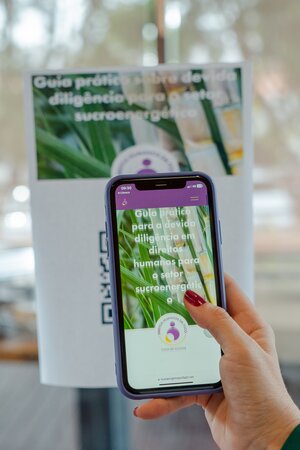
Human Rights Spotlight II combines companies’ need for credible, useable HRDD evidence to drive transformative, locally rooted systemic change, building on the outcomes of the programme's first phase (2023-2025).
- Length: 2026 - 2028
- Goals: Improve human rights outcomes in sugarcane supply chains in Brazil by strengthening the management of salient risks, including those exacerbated by climate change, increasing the resilience of suppliers and communities to climate and other shocks, and fostering collaborative action among mills and other stakeholders to address systemic challenges.
- Outcomes: Mills strengthen their monitoring and regional collaboration and co‑develop a context‑adapted HRDD methodology that integrates climate risk factors, building resilience within sugarcane production systems to prevent, mitigate and remediate human rights risks.
- Financing: In 2026, the programme is supported by Bonsucro, with additional co‑funding to be mobilised over the implementation period.
- Partners: Imaflora
Western Mato Grosso
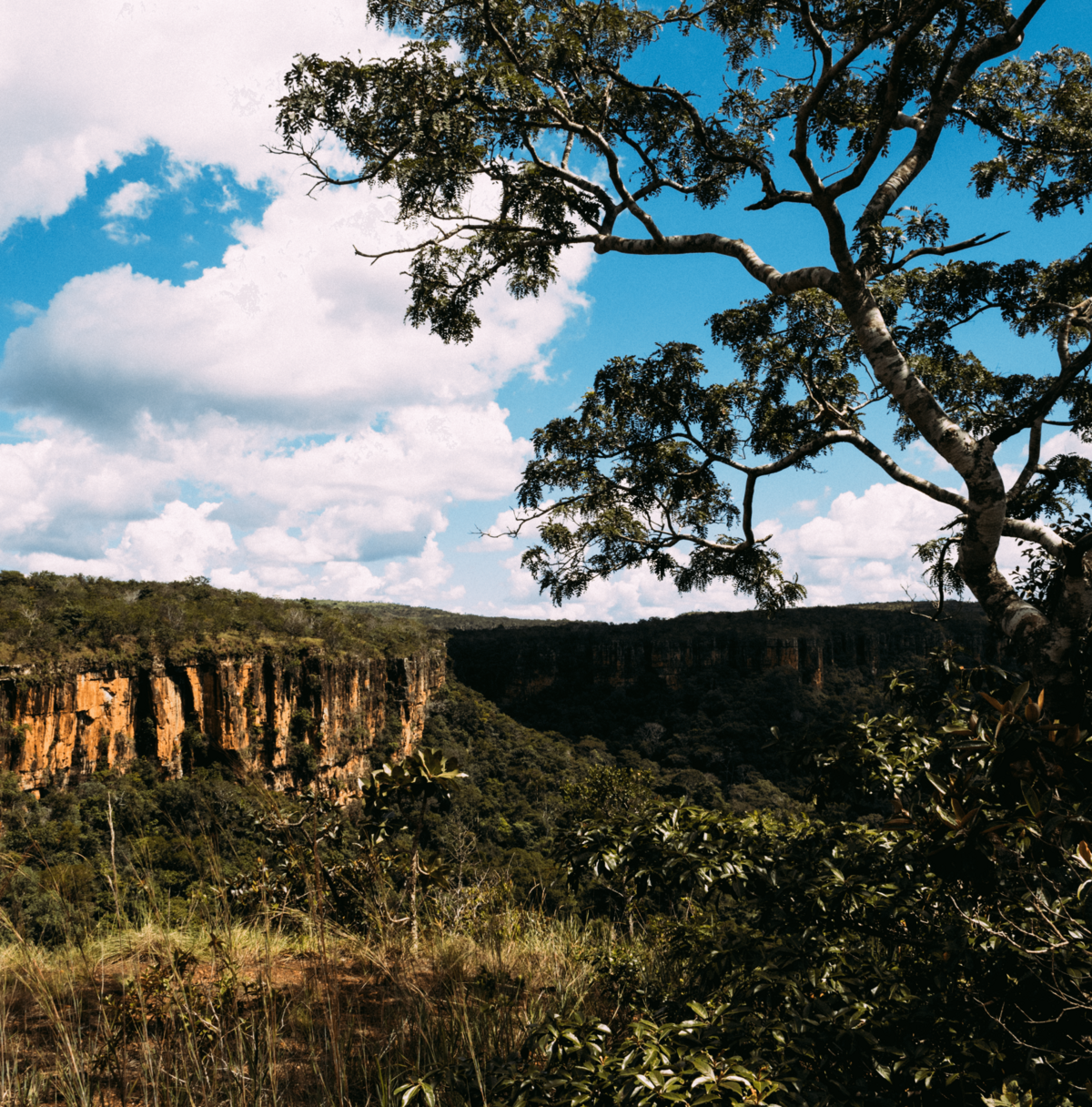
A landscape-scale initiative in six municipalities in western Mato Grosso that combines robust governance, forest conservation, ecosystem restoration, and the maximisation of responsible agricultural commodity production in one of the most strategic territories in Latin America.
Length: 2025 - 2030
Goals: Contribute to the sustainable development of the landscape in Western Mato Grosso, through the promotion of strengthened local governance, resilient production, a positive approach to forests, and socioeconomic inclusion.
Outcomes: Promote deforestation- and conversion-free soy and beef production, supporting the transition of western Mato Grosso to a resilient, forest-friendly landscape, providing tangible benefits for people, nature, and climate, in line with the state's PCI Strategy. The initiative leverages climate finance and regenerative agriculture to support good agricultural practices in the Cerrado and Amazon biomes.
Financing: Since 2023, funded by CGF (Nestlé, Sainsbury’s and Jeronimo Martins) and SCF traders. In 2026, new funders arrived, such as McDonald’s, Amaggi and supported by HSBC.
Partners: PCI, IPAM and Produzindo Certo
Cerrado Protocol
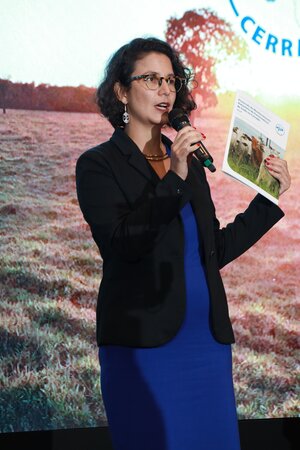
Accelerating progress of the Cerrado Protocol and expanding monitoring to a National level.
Length: 2026 - 2030
Goals: Implement and operationalise the governance of the Cerrado Protocol and a National Responsible Cattle Programme, ensuring its broader and effective adoption as a voluntary socio‑environmental monitoring framework for cattle sourcing in the Cerrado biome and
other regions not covered by agreements with Federal Prosecutors.
Outcomes: Fully functioning governance structure for Cerrado and National Programme; expanded adoption of Cerrado Protocol; promoted reintegration and incentives mechanisms for producers, building capacity of slaughterhouses and tanneries, increasing support to MPF, improved transparency regarding company commitments and implementation results.
Financing: Financing is required to subsidise the coordination, capacity building, stakeholder engagement and improved transparency systems.
Partners: Imaflora, Amigos da Terra
Climate - Insetting
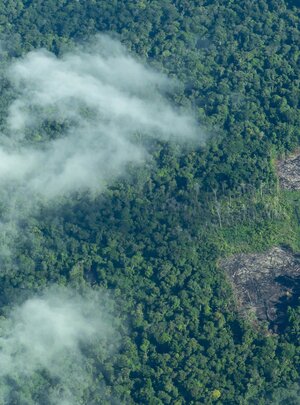
Insetting, referring to decarbonisation in supply chains, can help unlock private climate finance for high-integrity action towards positive outcomes in the Forest Land and Agriculture (FLAG) sector in key producing countries.
Length: 2026 - 2030
Goals: The project aims to leverage insetting as a financing mechanism for positive impacts on the ground in the FLAG sector, including climate mitigation, people and nature goals, as well as resilience at the landscape level.
Outcomes:
- Capacity building and guidance on high integrity insetting: focusing on tools and materials to build capacity in key producing regions; as well as defining a High Integrity Insetting (HII) Taxonomy to evaluate projects, based on the HII principles
- Influencing key accounting and target-setting standards: advocating for the inclusion of producer realities (regionalisation); near-value chain mitigation in landscapes; and people and nature as core benefits with key standards including SBTi and GHGP.
Financing: After programme design, funding will be required for development and implementation.
Partners: iCS
Public Policy for transparent supply chains

Consensus building and technical support to national policies on transparent supply chains of soft commodities, integrating traceability and compliance to meet market requirements.
Length: 2026 - 2030
Goals: Strengthen traceability, monitoring, and transparency in the Brazilian beef and soy supply chains while delivering positive outcomes for people, nature, and climate.
Outcomes: Deliver tangible improvements in supply chain integrity and sustainability, including adoption of due diligence, traceability and monitoring systems, reduced socio‑environmental risks, and greater compliance with national and international regulations and market requirements.
Financing: Financing is an enabler for Proforest actions and collaboration with Brazilian Coalition. Funding will support private sector and government engagement, development of studies, guidance, tools and dry runs to support implementing and improving the AB+S platform and meeting international market requirements (eg. EUDR, UK, China).
Partners: Brazilian Coalition on Climate, Forest and Agriculture
Building a Deforestation-Free, Climate-Resilient Cocoa Landscape in Asunafo-Asutifi
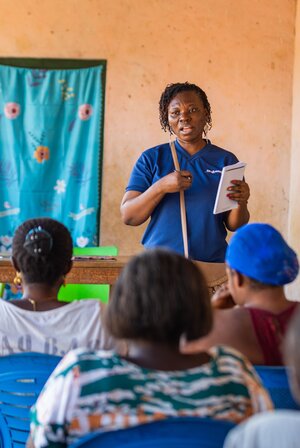
Period: 2023–2026
Donor: Walmart Foundation
Goal: The project aims to support a deforestation-free, climate-resilient cocoa production landscape in the Asunafo-Asutifi Hotspot Intervention Area, while improving farmer livelihoods and strengthening community-led natural resource governance.
Objectives:
- Strengthen inclusive landscape governance through Community Resource Management Areas and local management structures.
- Restore degraded forest areas and enhance tree cover across cocoa-forest mosaics.
- Improve access to farmer support services, technical training, farm inputs and farm management assistance through Rural Service Centres.
- Expand access to affordable finance through revolving funds that support farmers, women and community groups.
- Promote sustainable cocoa production, forest conservation and livelihood resilience across the landscape.
Achievements:
Phase 1: Asutifi South, 2023–2024
- Established the Dadiesoaba Community Resource Management Area and a fully equipped Rural Service Centre to provide technical and farm management support to more than 15,000 farmers.
- Rehabilitated 266 hectares of degraded forest reserve through the Modified Taungya System.
- Planted more than 500,000 multipurpose tree seedlings on-reserve and off-reserve.
- Set up a revolving fund to support financial inclusion and helped grow membership of the Asunafo North Co-operative Cocoa Farmers Mutual Support group from 17,500 to 20,000.
Phase 2: Asunafo North, 2025–2026
- Scaling impact across the Asunafo-Asutifi landscape by building on the systems, partnerships and trust established in Phase 1.
- Establishing a new Community Resource Management Area covering 21,000 hectares in the Asumura enclave.
- Constructing a second Rural Service Centre at Asumura to expand access to farmer services.
- Introducing a new revolving fund to increase access to low-interest loans.
- Rehabilitating 250 hectares of degraded forest and enhancing tree stock across more than 8,000 hectares of cocoa-forest mosaics.
Partnership for Restoration of the Degraded Asunafo Landscape
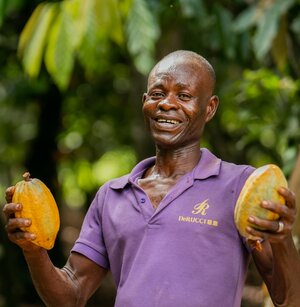
Period: 2025–2027
Donors: European Forest Institute, with support from the European Union Sustainable Forest and Cocoa Programme.
Project Goal: To restore degraded forest areas and strengthen climate-resilient cocoa landscapes in the Asunafo-Asutifi area by promoting dynamic agroforestry, inclusive landscape governance and improved livelihood opportunities for farming communities.
Objectives:
- Expand training in dynamic agroforestry to improve farm productivity, increase tree cover and support climate-smart cocoa production.
- Restore grossly degraded forest reserves and enhance ecological functions across the landscape.
- Strengthen multi-stakeholder landscape governance structures with a focus on environmental, social and governance priorities.
- Improve access to finance and promote alternative livelihoods that reduce pressure on forests and support household resilience.
Support for Forest Protection and Rehabilitation in the Asunafo-Asutifi Landscape
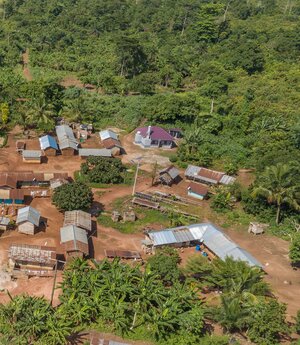
Period: 2025–2028
Donor: Mondelēz International, Barry Callebaut and Sainsbury’s
Goal: To strengthen forest protection and sustainable cocoa production in the Asunafo-Asutifi landscape by restoring degraded areas, improving landscape governance and supporting farmers to meet global sustainability requirements.
Objectives:
- Restore degraded forest reserves and priority forest fringe areas within the landscape.
- Increase tree cover on cocoa farms to support climate resilience and biodiversity.
- Strengthen community participation in natural resource management and forest protection.
- Build farmer capacity to comply with the EU Deforestation Regulation and other global sustainability standards.
- Promote long-term environmental and social sustainability across cocoa-producing communities.
Participatory Land Use Planning, Liberia
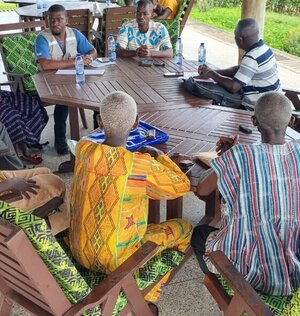
Period: 2020–2025
Donors/ Partners: Norwegian Government through the World Bank. Partners include the Liberia Land Authority, Ministry of Agriculture, Forestry Development Authority, Environmental Protection Agency, IDH, Society for the Conservation of Nature of Liberia and Fauna & Flora International.
Goal: To support community-led land governance in Liberia by strengthening participatory land use planning, securing customary land rights and promoting sustainable management of forests, agriculture, mining and other land uses.
Objectives:
- Helps communities identify biodiversity threats, map future land-use zones, resolve boundary conflicts and align local priorities with national land policies.
- Promotes Free, Prior and Informed Consent and builds capacity among government, civil society, private sector actors and communities.
Results/Achievement:
- By July 2023, Proforest had supported completion of Participatory Land Use Plans in 40 areas, covering 19 districts in southeast Liberia and 21 clan areas in the northwest. The work enabled communities to progress towards land deeds under the Land Rights Act, mapped priority forest zones including Gola and Ziama-Wonegizi-Wologizi, and integrated traditional resource management and medicinal plant protection into local planning.
San Pedro Landscape Project, Côte d’Ivoire
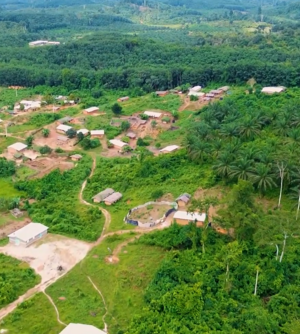
Period: 2020 - 2023
Donors/ partners: German Government through IKI. Partners include Impactum, GIZ, government ministries, the Prefectures of San Pedro and Tabou, local sub-prefectures, traditional authorities, the San Pedro Region, community representatives, sector organisations and agro-industrial companies.
Goal: To support San Pedro to become a greener and more resilient production landscape where forests are protected and restored, biodiversity is conserved, agriculture is sustainable and climate-smart, and local communities benefit from improved livelihoods.
Objectives:
- Promotes sustainable cocoa, palm oil and rubber production; supports forest protection, restoration and reforestation; improves land tenure security; strengthens women’s and youth participation; and establishes inclusive governance structures for land-use planning, forest management and environmental safeguards.
Results/Achievement: The initiative has strengthened collaboration among government agencies, communities, companies and civil society organisations. It has also supported the development of a Management and Investment Plan for the San Pedro landscape, alongside governance and monitoring systems designed to improve accountability, safeguard communities and deliver long-term conservation and livelihood benefits.
Edo State Oil Palm Forest Regeneration Facility, Nigeria
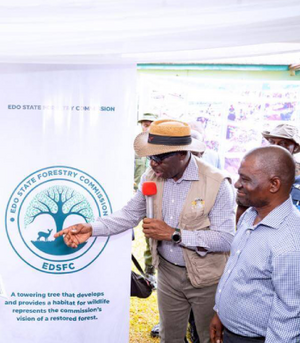
Period: June 2022 – February 2023
Donor/ Partners: Partnerships for Forests (P4F)
Goal: Support the development of a Produce–Protect–Rehabilitate (PPR) model to promote sustainable oil palm production and forest restoration in Edo State, Nigeria. Working with Market and Social Research (MSR), the Edo State Oil Palm Programme, state government institutions, oil palm companies, smallholder farmers, and local communities, Proforest helped design a forest regeneration facility aligned with Edo State’s commitment to conserve and restore one hectare of forest for every five hectares of oil palm development.
Proforest provided technical expertise in sustainable land use, forest governance, stakeholder engagement, partnership development, and institutional strengthening. The project also developed recommendations for policy reform, institutional capacity building, smallholder organisation, awareness creation, and sustainable financing to support long-term implementation of the PPR framework.
Key achievements:
- Feasibility and market assessment of Edo State’s oil palm sector, the development of a business case and pilot business plan for forest regeneration, partnership and Memorandum of Understanding (MoU) development, and support for establishing the Edo State Forestry Commission to strengthen sustainable forest management and responsible palm oil production.