10 March 2026
ASCI and FAO UN REDD co host regional dialogue on sustainable commodity production in Ethiopia
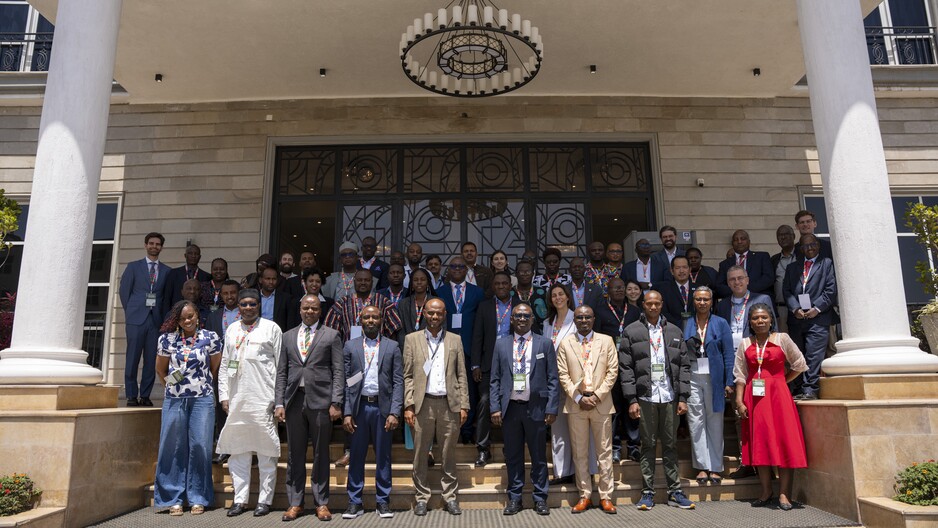
The Africa Sustainable Commodities Initiative (ASCI), in partnership with the FAO‑led UN‑REDD Programme, convened a regional meeting in Ethiopia to advance a coordinated African approach to deforestation‑free, sustainable commodity production. The dialogue brought together government representatives, technical experts, and regional stakeholders to accelerate transformative actions across key agricultural commodity sectors.
Advancing Africa’s vision for sustainable, forest‑friendly commodities
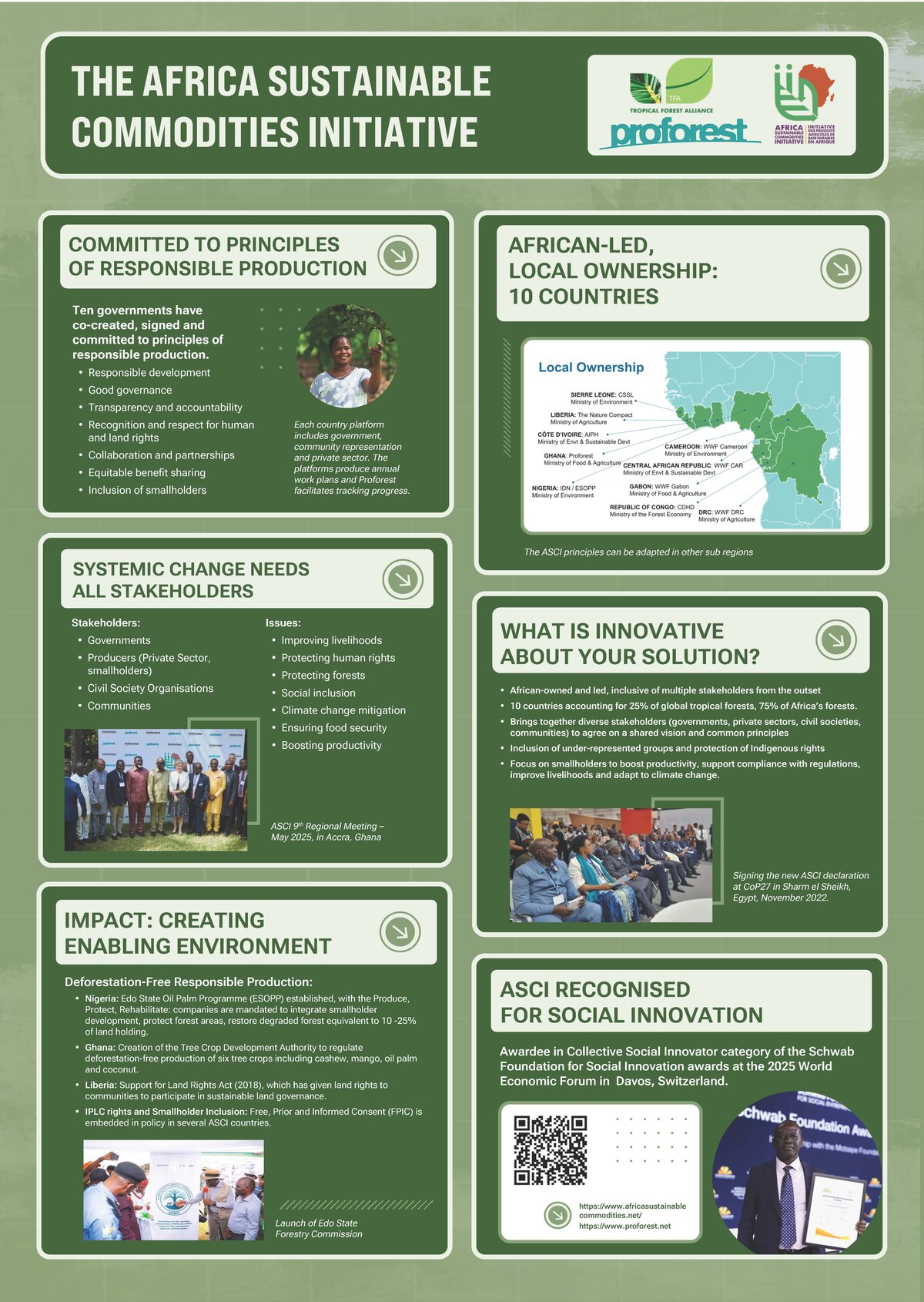
Launched in 2016 at COP22 in Marrakech, ASCI puts African producer countries at the forefront of shaping principles for responsible production of cocoa, coffee, rubber, palm oil and other high‑impact agricultural commodities. Initially known as the Africa Palm Oil Initiative, the Marrakech Declaration has since expanded into a cross‑commodity commitment endorsed by ten African governments. The initiative aims to harmonise Africa’s ambitious development goals with urgent environmental priorities to reduce deforestation, curb greenhouse gas emissions, restore degraded lands and strengthen land tenure and community rights.
Solutions Tree Framework anchors Ethiopia dialogue
The Ethiopia regional meeting was guided by the FAO‑developed Solutions Tree, an analytical framework under the UN‑REDD Programme designed to support countries in halting and reversing deforestation by 2030, in line with the Glasgow Leaders’ Declaration. The framework outlines six systemic shifts needed to transform agrifood systems while protecting forests and boosting rural livelihoods.
1. Strengthening land governance
This involves making sure land‑use rules are properly followed and enforced. It also requires stronger coordination among agriculture, forestry, and land‑management institutions so they can work together through effective national and local platforms. By improving cooperation and oversight, countries can better manage land resources and reduce illegal or unplanned land conversion.
2. Scaling sustainable production models
To protect forests while supporting agricultural growth, countries need to restore degraded lands and revive old or low‑yielding cocoa, coffee, and oil palm plantations. By improving productivity on existing farmland, farmers can earn more without expanding into forest areas, helping to reduce deforestation pressure.
3. Increasing responsible consumption and trade
A more transparent and sustainable commodity sector requires several changes. These include building stronger platforms that bring all value‑chain actors together, helping informal market participants become formally recognised, and creating national traceability systems that can monitor where products come from. Financial tools and early‑warning systems are also needed to help producers cope with unpredictable price changes.
4. Creating incentives to maintain forest integrity
For countries to meet deforestation‑free trade requirements, they must develop compliance systems that include and support smallholder farmers. Land‑use planning should also be closely aligned with commodity‑governance frameworks, ensuring that agricultural development happens in ways that protect forests and biodiversity.
5. Enhancing data for decision‑making
Strong, reliable data is essential for good policy. This means improving national monitoring systems using satellite and georeferenced tools. It also requires linking forest data with agricultural information systems, so governments have a complete picture that supports accurate, evidence‑based decisions
6. Improving livelihoods and promoting equity
To ensure rural communities benefit from sustainable commodity production, countries must promote fair and transparent benefit‑sharing linked to conservation and climate‑finance opportunities. Strengthening producer organisations will empower farmers to represent their interests and drive change. Better coordination among all stakeholders is also critical for supporting inclusive and resilient rural development.
Toward a unified African response to deforestation‑free commodities
The regional meeting marks a significant milestone in aligning African countries around a shared framework that protects forests, improves rural livelihoods, and supports climate‑resilient development. Through this collaboration, partners have developed a clear roadmap for sustainable forests and agriculture, helping countries identify practical actions that advance their national development priorities. This coordinated African effort aims to secure long‑term resilience for communities and safeguard natural ecosystems in sustainable commodity production.