People
People are central to resilient production systems
At Proforest, our work on People contributes directly to building responsible and resilient agricultural and forestry supply chains and production landscapes, while also supporting the policy, regulatory and financial conditions needed to enable positive change.
We deliver this work through two core approaches – 1. Human Rights Due Diligence and 2. Sustainable Livelihoods – focusing on:
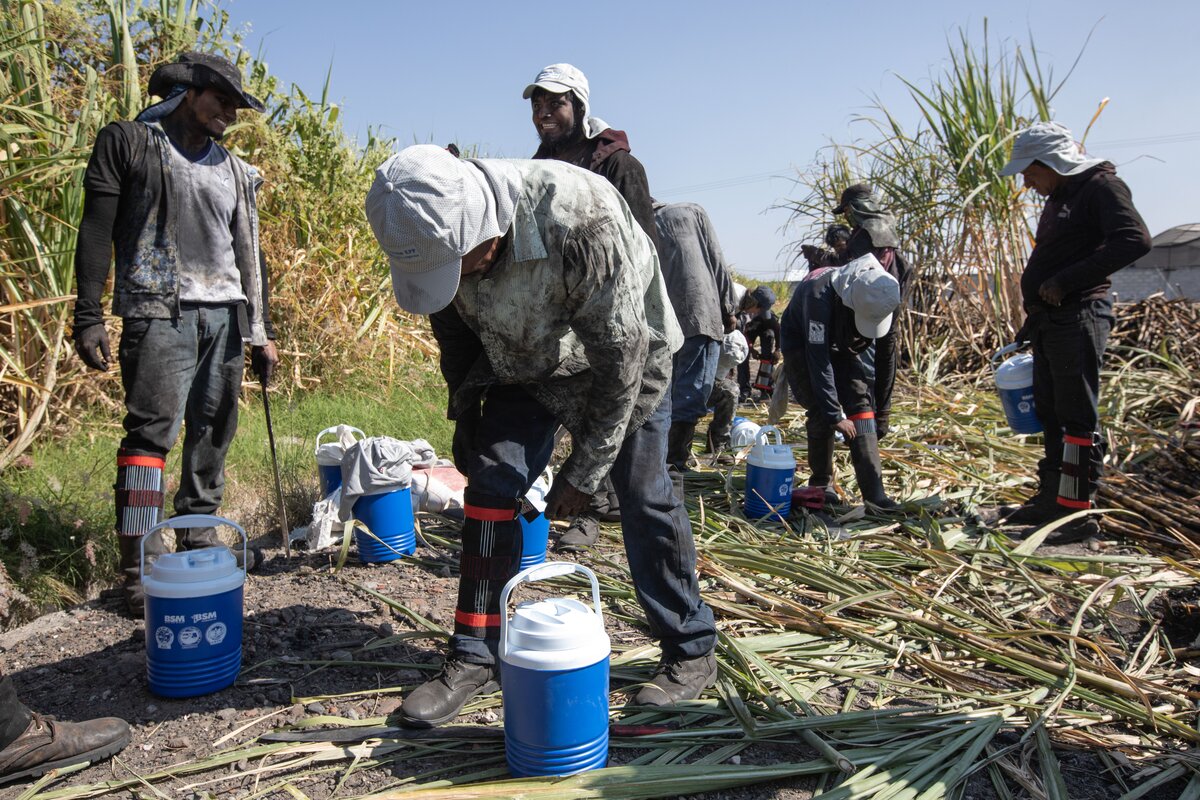


1. How Proforest helps companies embed Human Rights Due Diligence
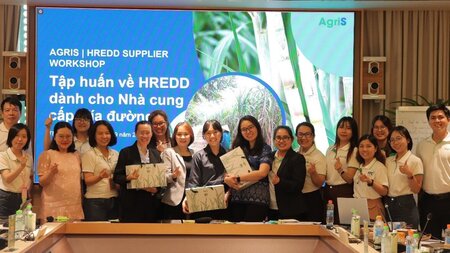
At Proforest, we support companies to navigate evolving regulations and move beyond commitments by embedding human rights due diligence (HRDD) into how they source, produce and engage across supply chains. Our work helps companies identify salient human rights risks, understand their root causes, and take effective action, both within their operations and supply chains, and through collective actions with peers, suppliers, civil society, government agencies and other partners. Find out more about this systematic approach to respecting human rights.
Using a Smart-Mix approach to Human Rights
Effective HRDD requires moving from risk identification to meaningful action. Proforest's Smart-Mix Approach helps companies determine the most effective combination of interventions to address human rights challenges across supply chains. By combining actions at supplier, sector, and landscape levels, the approach addresses root causes and contributes to scalable impact.
We also contribute to collaboration platforms and multi-stakeholder initiatives:

Co-developing the Converged HREDD Assessment Tool with AIM-Progress, the Consumer Goods Forum (CGF) and the Fair Labor Association (FLA).
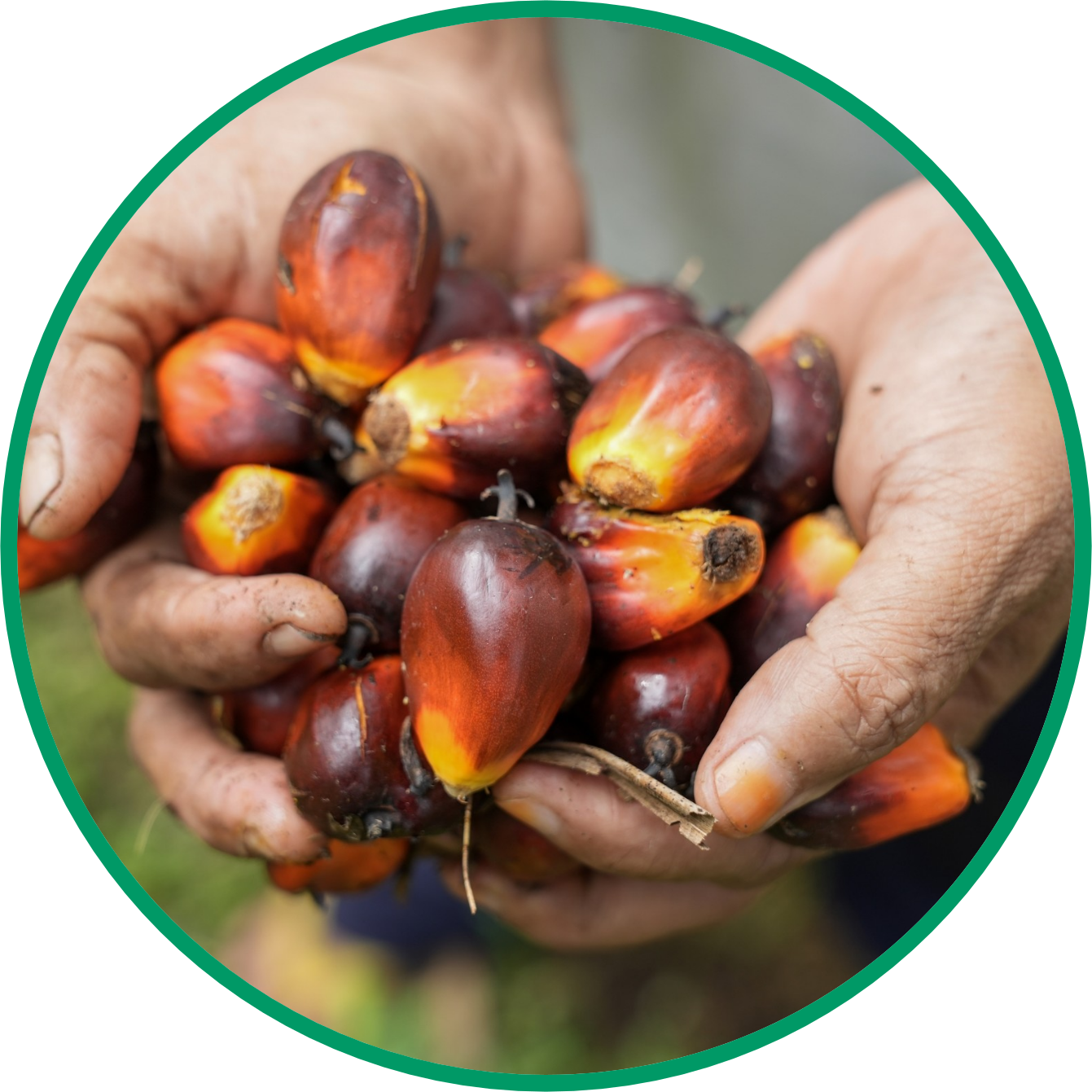
Providing technical support to the Palm Oil Collaboration Group, including the Library of HRDD tools, the Palm Trader Performance Assessment, and the Implementation Reporting Framework (IRF) for Land and Labour for palm.
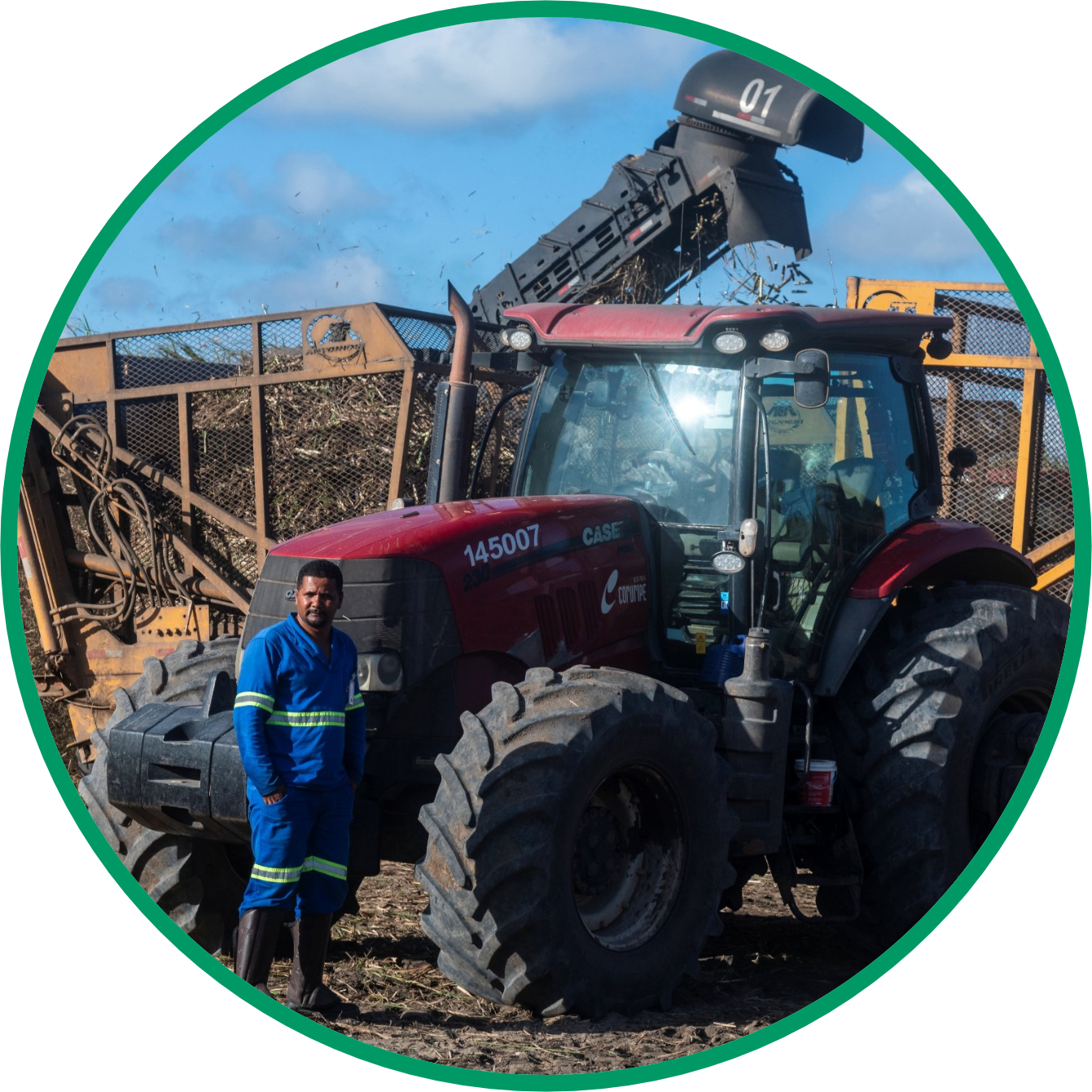
Delivering sectoral programmes such as Human Rights Spotlight, to provide practical guidance and tools to strengthen HRDD implementation in Brazil’s sugarcane sector.
2. Sustainable Livelihoods for smallholders, workers and communities
Challenges make it difficult for people to secure resilient and decent livelihoods over time:
- Limited and unstable incomes
- Vulnerability to environmental and economic shocks
- Unequal access to land, services, and opportunities.
Supporting companies and partners with locally relevant solutions
We work with companies and partners to improve livelihood opportunities and reduce risks for both people and supply chains. Our approach combines human rights, meaningful stakeholder engagement and agency, sustainable agricultural production, and environmental protection and restoration.
We focus on what drives real change on the ground: improving sustainable production and yields, advancing regenerative practices, strengthening farmer and worker capacity and agency, and enabling living incomes and decent working conditions.

Examples of collaboration to address livelihoods' challenges:
- Supply-shed programmes like ‘Responsible Sourcing from Smallholders (RSS)’ in Negros Occidental (Philippines) and the ‘Coalition for Sustainable Sugarcane’ (Mexico).
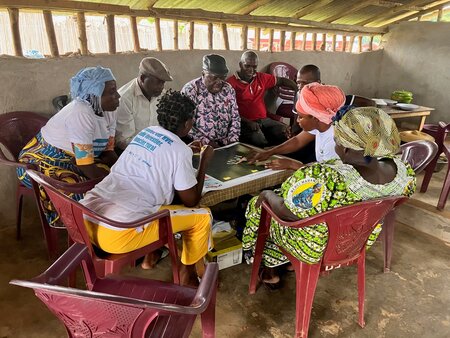
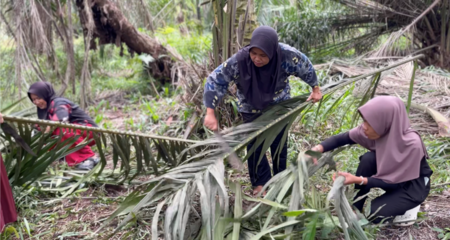
- Landscape and jurisdictional initiatives, such as in Western Mato Grosso (Brazil), Asunafo-Asutifi (Ghana), and Sungai Linau and Sustain Kutim (Indonesia).
By bringing together companies, governments, and civil society, we co-develop scalable solutions, tools, and delivery models that improve livelihoods while strengthening sustainable supply chains.
Learn about current initiatives and opportunities for companies to join collaborative efforts already underway.
Respecting Workers’ Rights in Responsible Sourcing and Production
Our technical advice, tools and capacity building help companies across the supply chain to make labour rights commitments part of their responsible sourcing and production policies and take action to address the root causes of labour rights abuses in their supply chains. For example:
- With downstream companies, to embed labour rights into responsible sourcing and strengthen human rights due diligence (HRDD) systems.
- With trade associations, civil society and collaborative spaces to strengthen collective efforts to prevent and mitigate labour rights risks at the sector level.
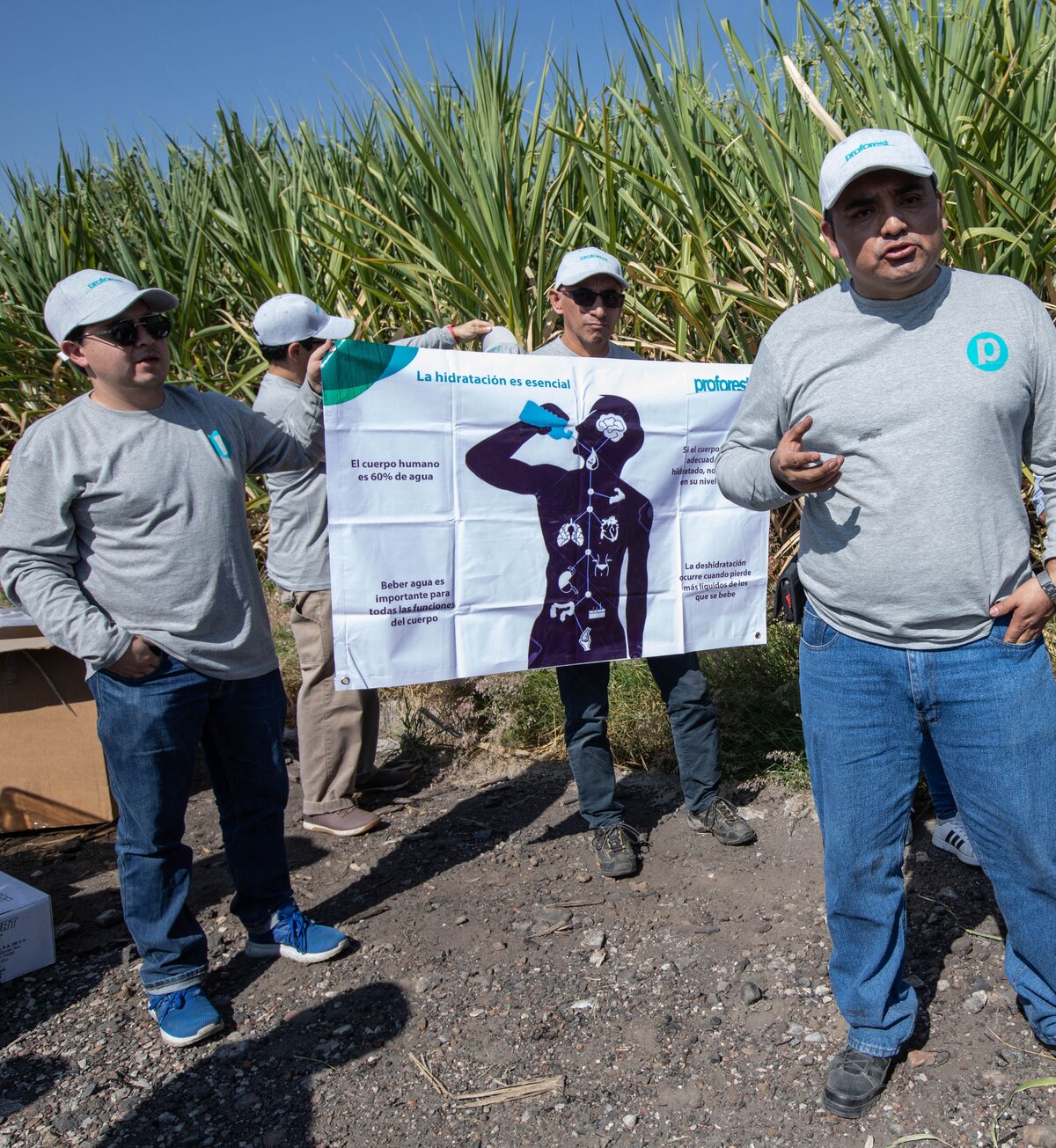
- Directly with growers and producers, to identify risks and implement practical improvements in working and living conditions by practising responsible recruitment and strengthening avenues for workers to be empowered and heard, such as Proforest’s work on water, rest and shade in Mexico’s sugarcane sector.
We also deliver place-based interventions that tackle systemic labour challenges in priority sourcing regions. These include, for example:
- Supporting wage transparency in the Mexico sugar sector
- Implementing the Labour Rights Project with Ulula to monitor labour rights risks in Ghana and Côte D’Ivoire’s palm oil and cocoa sectors
- Advancing social dialogue and collective bargaining through our landscape programme in Siak Pelalawan, Indonesia.
Respecting Indigenous People and Local Communities’ Rights

Across agricultural and forestry commodity supply chains, key challenges include the inadequate recognition and protection of Indigenous Peoples’ and Local Communities’ (IPs and LCs) formal and customary rights. These rights, including self-determination, self-governance, participation in decision-making, and rights to land, territories, and resources, are essential to support secure livelihoods, protect nature, and contribute to a just transition to climate-resilient and sustainable commodity systems.
IPs and LCs rights are recognised in international and national law and are increasingly reflected in corporate commitments and due diligence. At Proforest, we support companies and other stakeholders in turning commitments to respect IP & LC rights into action by implementing key processes, such as grievance mechanisms, meaningful consultation and engagement with communities, including respecting their right to Free, Prior and Informed Consent (FPIC).
Proforest supported Nestlé in developing its Salient Issue Action Plan on IPs & LCs land rights globally and implementing actions in Colombia and Brazil, identified as two sourcing origins at highest risk. Based on rightsholders and stakeholder consultations, country-specific action plans are now being implemented to address the root causes of land rights issues in these countries.
At production level, the Aceh Landscape Initiative, Indonesia, creates an enabling environment for preventing and managing land and resource conflicts linked to palm oil production.
Integrating Gender Equity into Supply Chain Action

Women face a wide range of barriers, ranging from structural challenges—such as workplaces that lack women's restrooms, lactation rooms, or adequate accommodation facilities—to cultural barriers, including gender biases that assign women to roles aligned with traditional gender stereotypes. These biases often limit women's access to a broader range of positions and, in many cases, negatively affect their earning potential.
These gender-related challenges may intersect with other forms of vulnerability, particularly for women who belong to Indigenous Peoples or ethnic minority groups, are smallholder producers, or hold other marginalised identities and often face additional disadvantages. Compared with their male counterparts, they are more likely to have limited access to land, experience multiple forms of discrimination, and face greater threats to their livelihoods.
We work with companies throughout the supply chain to address the inherent inequalities that are found within the rightsholder groups of farmers, workers and communities, while supporting companies to strengthen gender equity within their own operations, with support from our Gender Equity Assessment Tool, contributing to more inclusive and resilient supply chains.
We integrate gender considerations throughout our projects and programmes, from design to implementation, monitoring, and reporting. At the production level, we collect gender-disaggregated data wherever possible. During fieldwork, we promote fair representation in consultations and recommend actions that address the root causes of gender inequality. To support this, we developed the publicly available SWARA app to track groups’ and minorities’ participation. At the landscape level, many activities we propose are designed to empower women— for example, in the Sungai Linau Landscape Conservation and Livelihoods programme where we have been running gender awareness training and establishing women’s groups with a focus on savings, loans and setting up small businesses to diversify income.

How Proforest can support your work
People, nature and climate are deeply interconnected. We help companies understand and address the impacts of their operations and supply chains on workers, smallholders, Indigenous Peoples and local communities, while supporting broader goals on sustainable production, forest protection, climate action and landscape resilience.
Drawing on extensive experience across agricultural and forest commodities, we work with organisations to strengthen human rights due diligence, improve livelihoods, promote inclusive engagement and build more resilient supply chains and production landscapes. Through practical advice, capacity building and stakeholder engagement, we help translate commitments into meaningful action that delivers lasting benefits for both people and the environment.