12 May 2026
Designing participation to achieve real impact
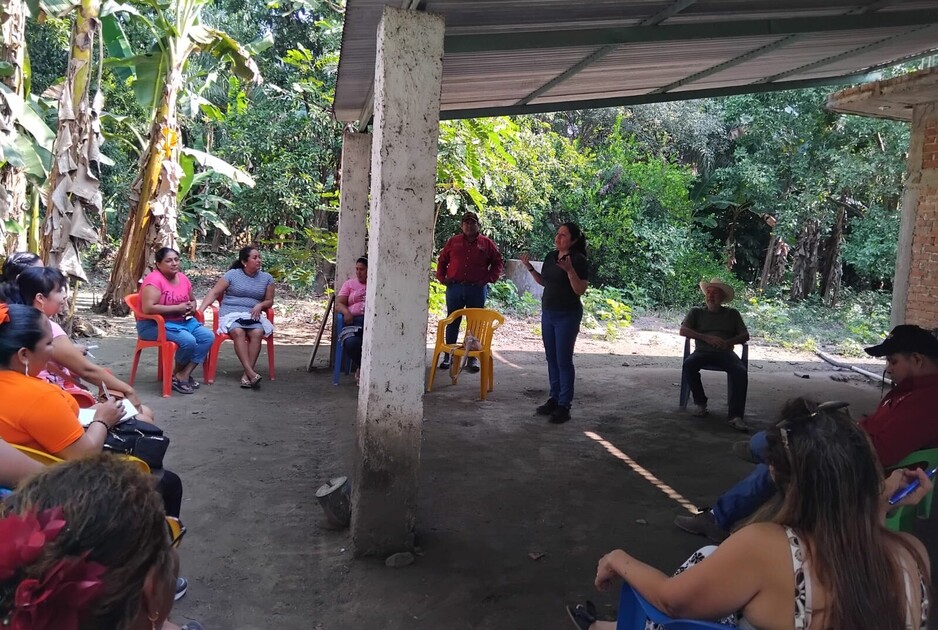
In projects with rural communities, participation does not happen automatically. Implementing activities or convening meetings does not, on its own, guarantee active, equitable or meaningful participation. Without intentional design, the same people are often the ones who participate, while other voices —particularly those of women and other marginalised groups— may be excluded from decision-making processes.
Field experience shows that participation is shaped by multiple factors, including local power dynamics, cultural norms, gender roles, timing, activity formats and levels of trust. When these elements are not considered from the outset, participation may be reduced to a formal presence, with little real influence on project outcomes.
The importance of local context
In rural settings, participation requires people to feel listened to, safe and recognised. When spaces do not reflect local realities —such as unpaid care responsibilities, cultural barriers to speaking in public, or dynamics that concentrate decision-making power among a few actors— participation is constrained, even when interest exists within the community.
Evidence from work with smallholder producers, including recent experience documented in agricultural communities in Mexico, reinforces that adapting projects to the local context is not an additional step, but a prerequisite for relevance, inclusion and long-term sustainability.
From field experience to better practice
Based on implementation experience, a number of practices have been identified that contribute to more effective participation:
- Designing participatory approaches and small-group work to reduce barriers to engagement.
- Creating safe and trusted spaces where all participants can share perspectives.
- Adapting activities, schedules and methodologies to local realities.
- Explicitly integrating gender and cultural considerations into project design and facilitation.
When participation is deliberately designed, outcomes include greater inclusion, stronger community ownership and a more robust foundation for project sustainability.
Turning learning into action
Recognising that participation is not automatic means treating it as a design decision. This requires continuous observation, listening and adaptation to the contexts in which projects are implemented.
At Proforest, we support organisations to translate these field-based insights into practical, context-driven actions, strengthening participation and improving social and environmental outcomes on the ground.
To explore a concrete example of these lessons in practice, read this Global Citizen article on farmers working on the front lines of change in Mexico:
www.globalcitizen.org/es/content/farmers-on-the-front-lines-mexico/