28 October 2026
Conservation and production: building capacity to identify High Conservation Value areas in sugarcane landscapes

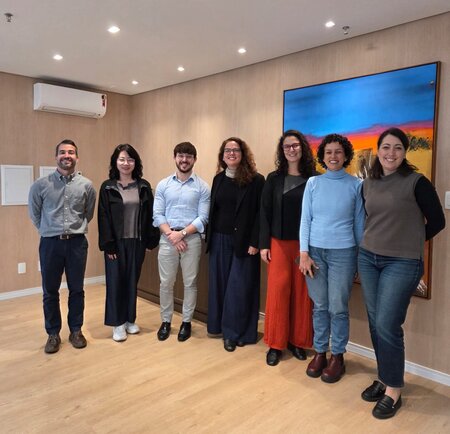
Proforest carried out training and awareness-raising sessions with producers and group managers linked to a sugarcane supply chain in Latin America. The sessions aimed to strengthen participants’ knowledge and capacity to identify High Conservation Value (HCV) areas, recognise key biodiversity elements in production landscapes, and understand management practices that help protect and conserve them.
HCV identification is an important tool for promoting more sustainable agricultural production, as it helps integrate the conservation of natural resources into production systems. This approach helps producers and organisations better understand the environmental characteristics of their land and strengthens decision-making geared towards sustainability.
Conservation as part of sustainable production
The activities prompted reflection on the relationship between agricultural production and the conservation of natural resources. Protecting biodiversity, water bodies, native vegetation and other elements of environmental value is key to strengthening the sustainability and resilience of production systems.
During the sessions, many participants said they observe wildlife on or near their land, including birds, reptiles, mammals and aquatic species. They also identified rivers, streams, wetlands and wooded areas that could be relevant for local conservation. This prior recognition made the HCV concept easier to grasp and allowed it to be linked to concrete management actions and continuous improvement.
Understanding the environmental values present in a territory makes it easier to implement practices that contribute both to the sustainability of production and to the conservation of the natural resources on which agriculture depends.
Water as a key element of sustainability
In Proforest’s experience, water is often one of the priority topics in HCV identification processes, given its importance for agricultural production, biodiversity and local communities.
Analysing the availability, quality and protection of water bodies gives a better understanding of the relationship between productive activities and the territory’s natural resources, supporting the implementation of long-term management and conservation measures.
Exercises of this kind also help identify challenges shared across production landscapes, such as water availability during dry periods or the conservation status of water-related ecosystems. Recognising these challenges helps to guide management actions and strengthen the resilience of production systems.
A tool for responsible land management
Beyond meeting certification or sustainability requirements, HCV identification processes and awareness-raising exercises can help foster preventive management and continuous improvement.
These tools help producers and organisations identify opportunities to conserve natural resources, strengthen environmental management and promote a balanced coexistence between production and conservation.
In this sense, HCV identification works as a management tool that provides a better understanding of the production environment, helps recognise the environmental and social values present in the territory, and guides actions to maintain and strengthen them over time.
Activities carried out
The sessions included:
- Training on HCV and biodiversity concepts.
- Identification and sharing of focal flora and fauna species relevant to the production landscape.
- Application of environmental and social diagnostic tools.
- Recognition of ecosystems and natural resources important for conservation.
- Exchange of experiences on production practices that help protect natural resources.

Towards more sustainable production landscapes
Integrating conservation criteria into agricultural management is an opportunity to strengthen the sustainability of supply chains and promote a long-term view of responsible land use.
Initiatives of this kind contribute to building local capacity, foster a better understanding of the environmental values present in production landscapes and strengthen shared commitment to more sustainable production.
Building resilient production landscapes requires the participation of producers, companies, technical organisations and other value chain actors. Strengthening knowledge of biodiversity, promoting good management practices and recognising the importance of natural resources are key steps towards sustaining agricultural productivity and conserving ecosystems in the long term.