17 July 2026
Proforest took part in the 10th Regional Forum on Business and Human Rights for Latin America and the Caribbean
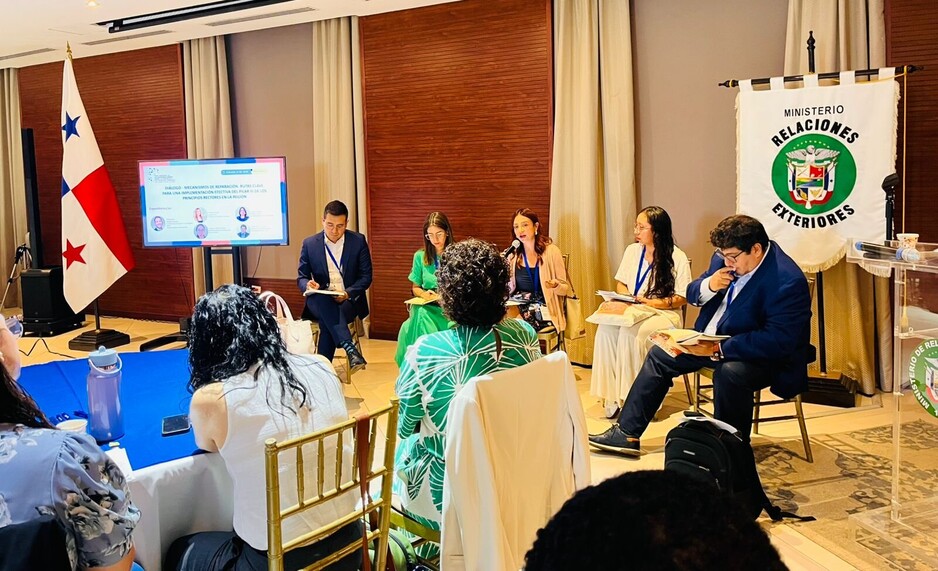
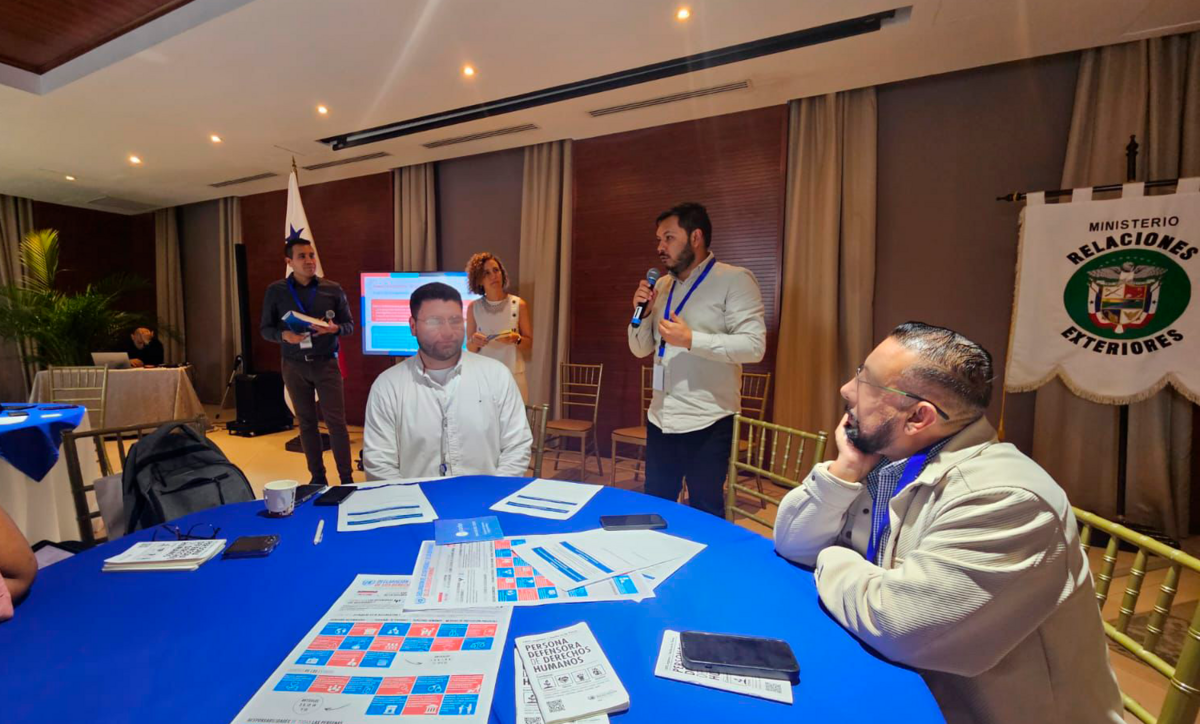
Proforest took part in the tenth edition of the Regional Forum on Business and Human Rights for Latin America and the Caribbean, held in Panama City, one of the region’s most important forums for discussing how businesses can respect human rights and build more responsible and resilient supply chains.
The event brought together businesses, civil society organisations, rights holders, governments and industry professionals at a time when the regional debate on due diligence is undergoing a fundamental shift: moving away from compliance with procedures to focus on verifiable actions and results.
From policy to outcomes: a shift in the due diligence approach
The central message to emerge from the forum reflects a significant shift in how human rights due diligence is understood and assessed: the emphasis is moving away from risk identification towards demonstrating concrete outcomes.
For years, much of corporate practice has focused on documenting the existence of policies, procedures and risk management processes. However, discussions in Panama reflected a growing consensus: success will no longer be measured by regulatory compliance or the existence of internal frameworks, but by the real changes that corporate action generates in people's lives — fewer harms, greater protection of human rights, and better tangible outcomes for the communities and workers involved.
This shift has a direct implication for how companies must approach their management systems: having a process in place is no longer sufficient; they must be able to demonstrate that it works.
Evidence and monitoring: the new standard for effectiveness
Building on this first message, the forum highlighted that monitoring and evaluation are becoming essential — no longer optional — components of effective due diligence.
There is a growing expectation that companies will be able to demonstrate, through verifiable evidence, that the mitigation measures implemented genuinely prevent negative impacts, rather than simply reporting their existence. This trend reinforces the need for organisations working across agricultural and forestry supply chains — such as Proforest's work alongside companies, producers, traders and communities — to build robust monitoring mechanisms into their strategies from the outset, rather than as an afterthought.
Access to remedy: an ongoing challenge
A third key message centred on access to remedy mechanisms, identified as one of the most pressing challenges discussed at the forum. Despite progress in risk identification and due diligence policy design, significant gaps remain in the ability of affected people to access effective, rights-based remedy processes when negative impacts occur.
The forum underlined the need to strengthen these mechanisms as an integral — rather than peripheral — part of corporate due diligence systems.
Further learnings from the forum
Beyond these three central themes, the forum surfaced additional insights relevant to the sector:
- Active participation of communities and rights holders: the forum reaffirmed the need for communities and rights holders to be directly involved in risk identification, response design, evaluation of implemented measures and accountability processes, rather than being treated solely as recipients of these actions.
- The role of human rights defenders: defenders were recognised as key allies within due diligence processes, particularly in the early identification of risks, raising alerts and strengthening corporate accountability.
This work forms part of Proforest’s day-to-day activities alongside companies, producers, traders, communities and other key stakeholders in the agricultural and forestry commodity supply chains in Latin America: supporting due diligence processes that seek precisely what the forum brought to the table — evidence of results, effective monitoring and genuine community participation, not merely formal compliance.
Events such as this forum provide an opportunity to compare this technical work with the trends that are shaping the future of responsible business conduct in the region, and to strengthen the partnerships needed to ensure that this future translates into tangible changes for people.